316L stainless steel is one of the most widely used austenitic stainless steel grades in industrial applications. Known for its excellent corrosion resistance, good mechanical properties, and reliable performance in harsh environments, 316L has become a preferred material across industries such as chemical processing, marine engineering, food production, and pharmaceutical manufacturing.
From a manufacturer’s perspective, 316L is not simply an upgraded version of 304 stainless steel. Its alloy design, production control, and application logic make it a material specifically suited for long-term service in corrosive and hygiene-sensitive environments.
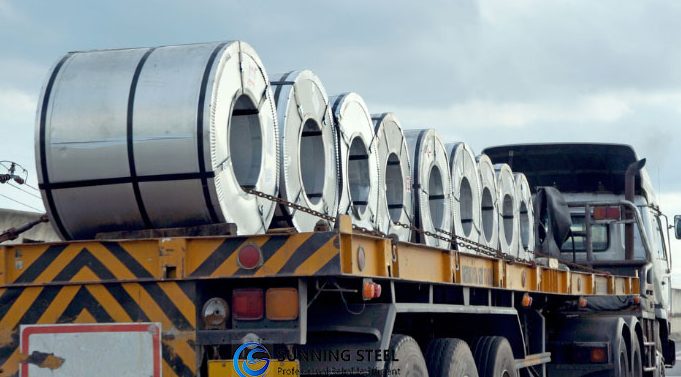
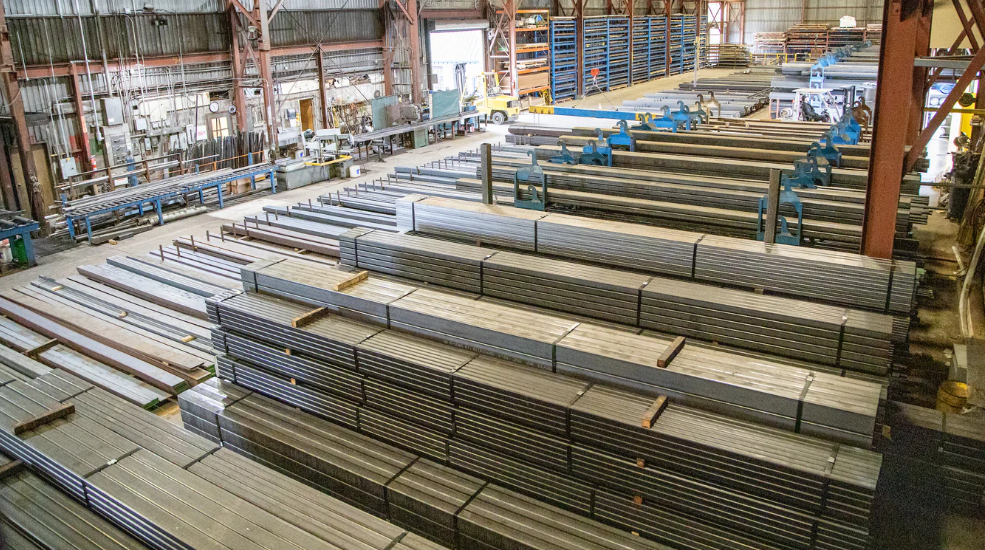
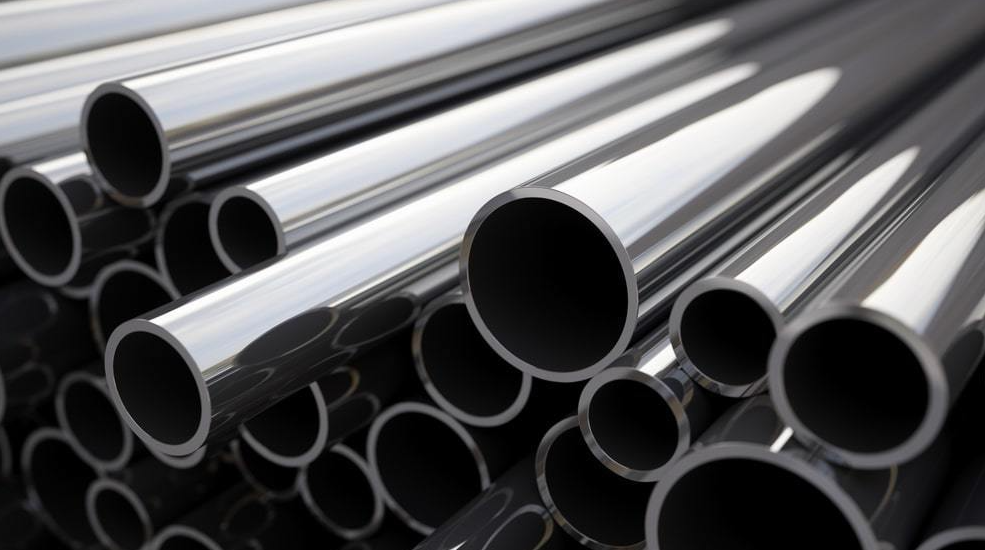
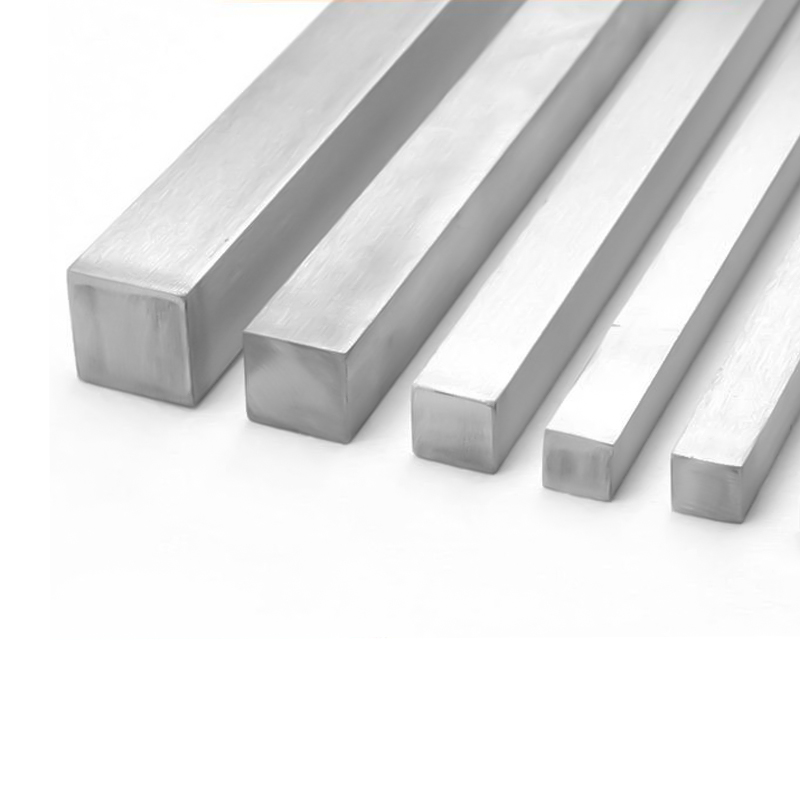
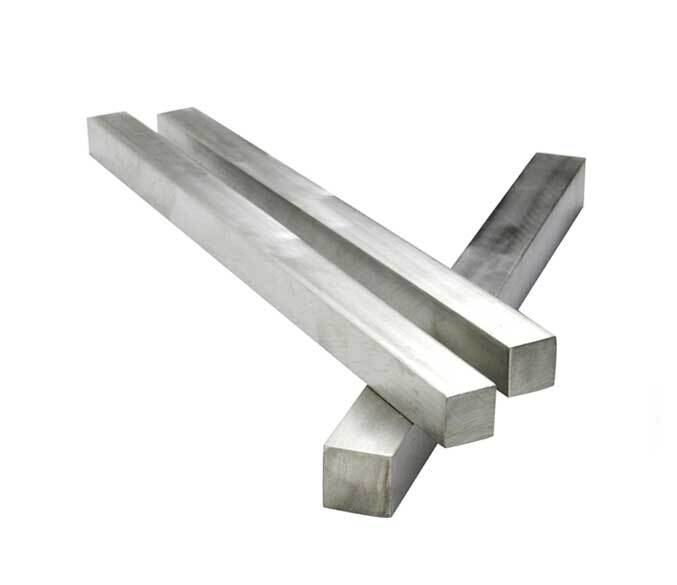
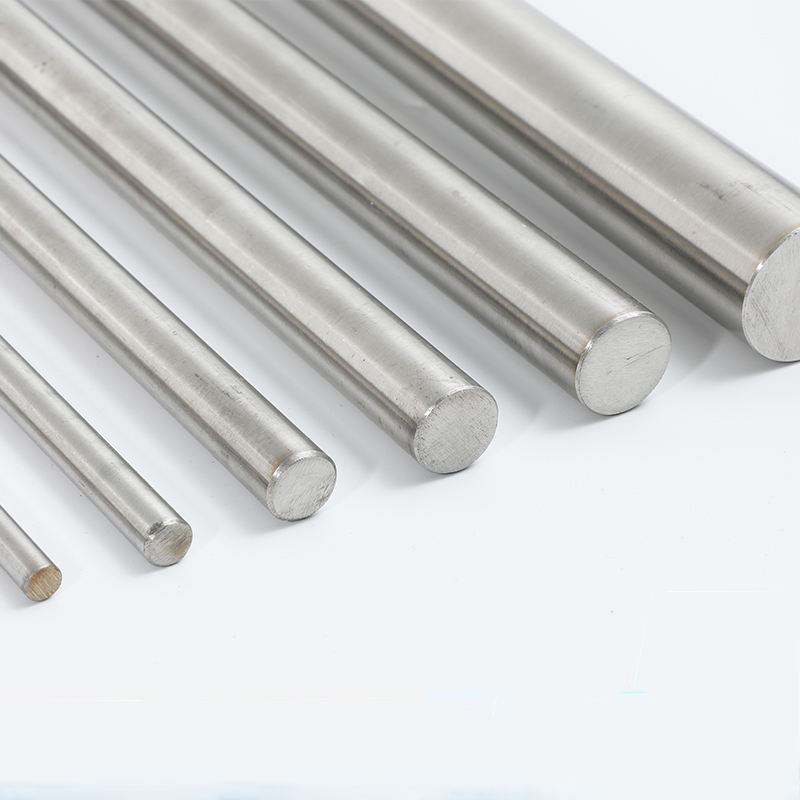
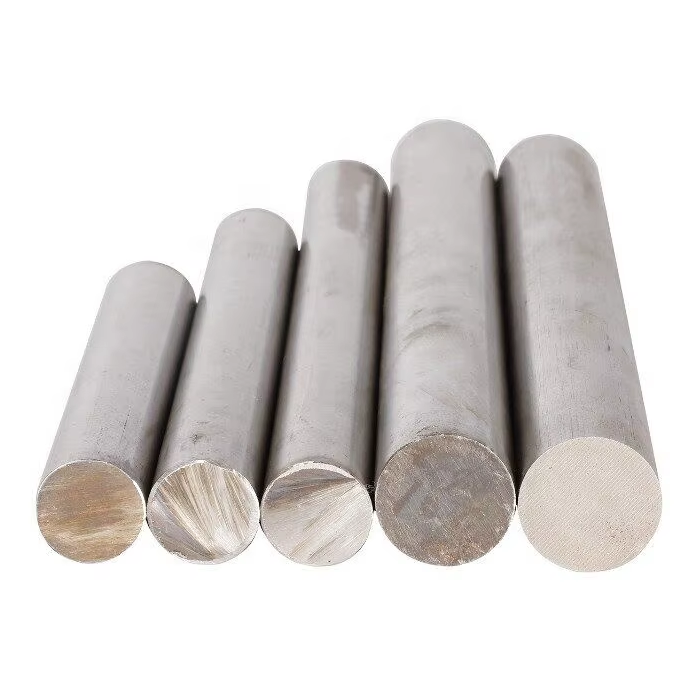
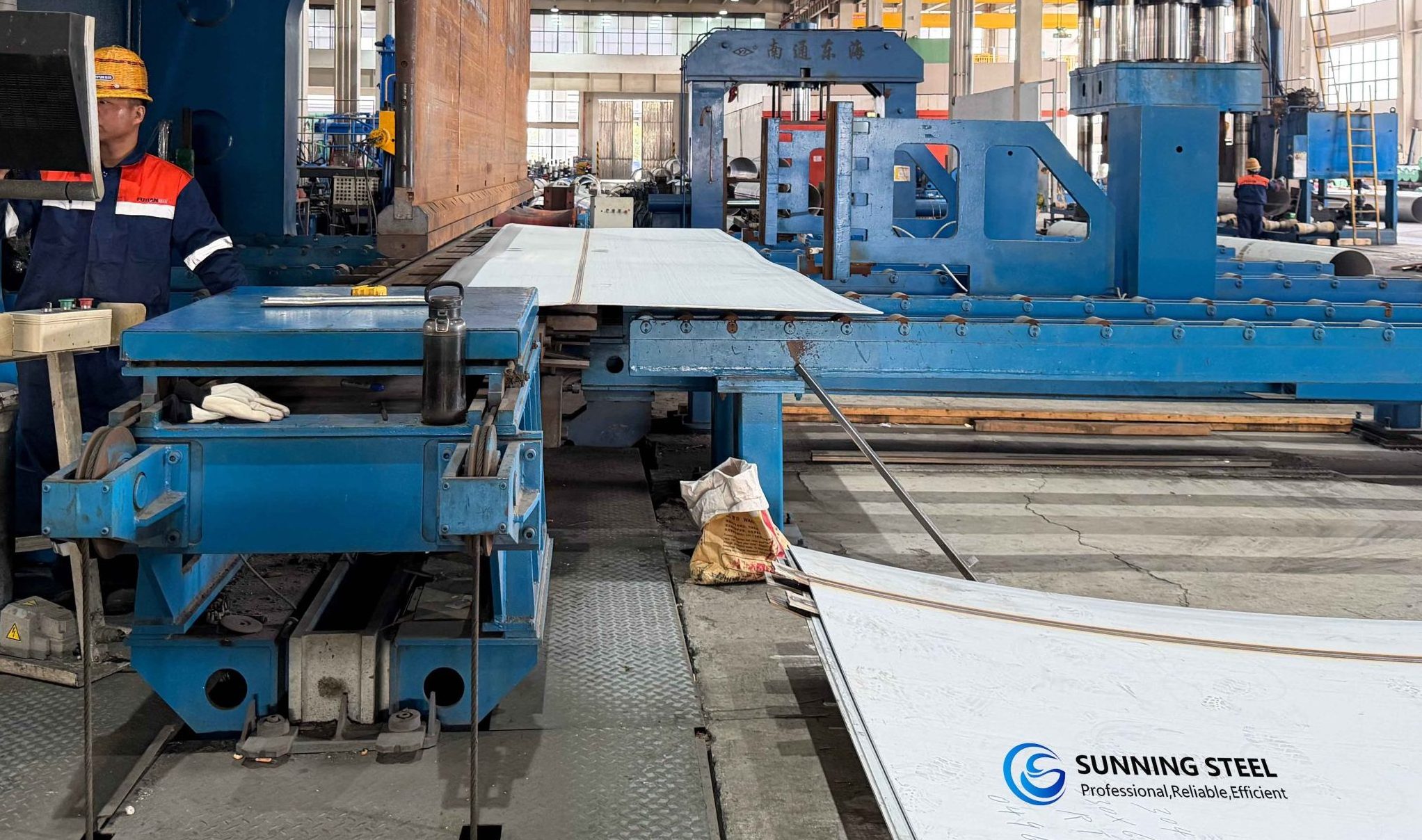
At SUNNING STEEL LIMITED, we supply 316L stainless steel in various forms, including plates, coils, bars, pipes, and profiles. This article explains what 316L stainless steel is, why it works, and where it is most effectively used, based on real production experience and customer feedback.
316L stainless steel is a low-carbon austenitic stainless steel alloy containing chromium, nickel, and molybdenum. The “L” designation indicates a low carbon content, which significantly improves weldability and reduces the risk of intergranular corrosion after welding.
Compared with standard 316 stainless steel, 316L offers better performance in welded structures and pressure equipment, especially when post-weld heat treatment is not possible.
Manufacturer Insight
In actual supply projects, most customers requesting “316 stainless steel” ultimately specify 316L, particularly for pipes, tanks, and welded components. This reflects real-world manufacturing and installation requirements rather than laboratory performance alone.
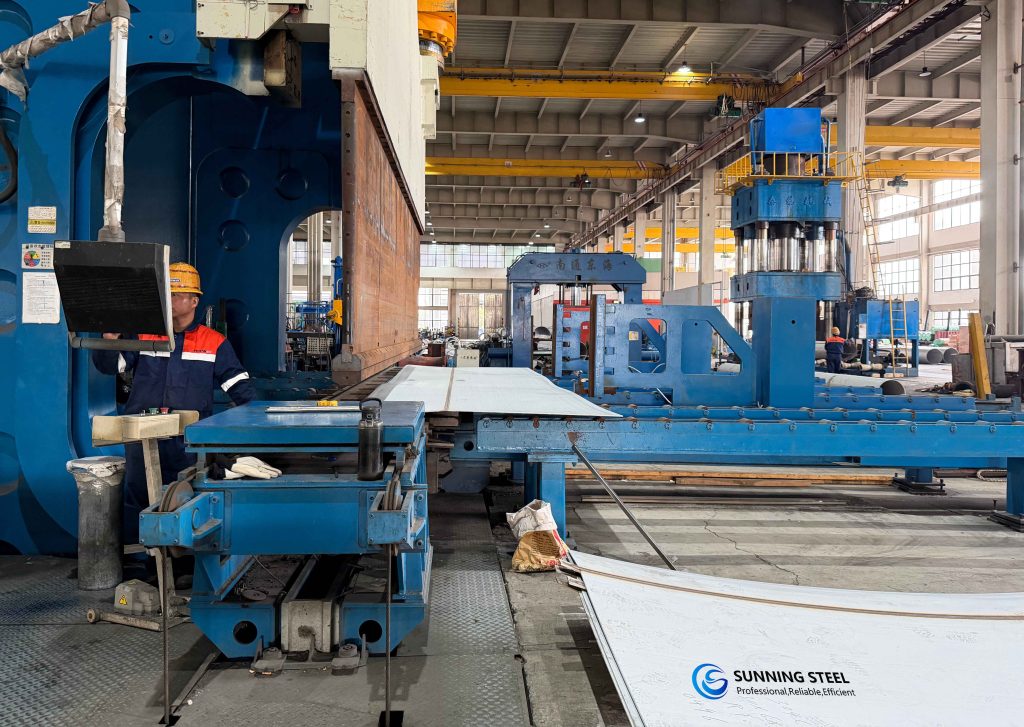
316L stainless steel is commonly used in reactors, heat exchangers, tanks, and piping systems within chemical plants.
Why 316L is chosen:
Customer feedback indicates that switching from 304 to 316L can significantly extend equipment service life in chemical environments.
In marine environments, exposure to chloride is unavoidable. 316L stainless steel offers much better resistance to seawater corrosion than standard austenitic grades.
Common uses include:
From our supply experience, customers operating near coastlines frequently specify 316L to avoid premature corrosion and costly replacements.
Hygiene and corrosion resistance are critical in food production.
316L stainless steel is widely used for:
Its resistance to cleaning chemicals and ability to maintain a clean surface make it a reliable choice for food-grade applications.
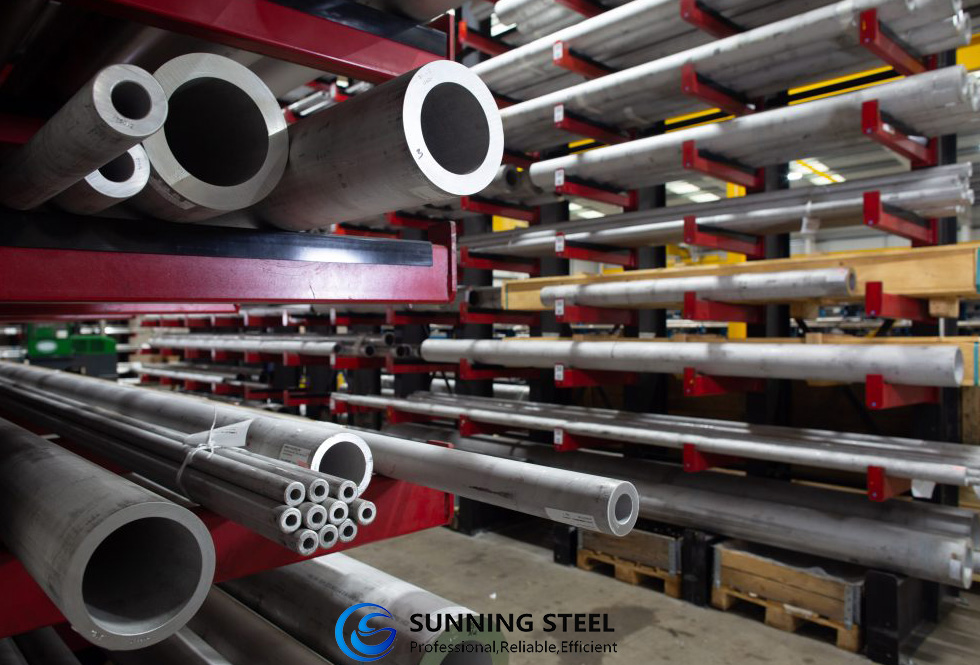
The pharmaceutical industry requires materials that can withstand aggressive cleaning agents while maintaining high purity.
316L stainless steel is commonly selected for:
Low carbon content ensures welded joints remain corrosion-resistant over long-term service.
Hygiene and corrosion resistance are critical in food production.
316L stainless steel is widely used for:
Its resistance to cleaning chemicals and ability to maintain a clean surface make it a reliable choice for food-grade applications.
The pharmaceutical industry requires materials that can withstand aggressive cleaning agents while maintaining high purity.
316L stainless steel is commonly selected for:
Low carbon content ensures welded joints remain corrosion-resistant over long-term service.
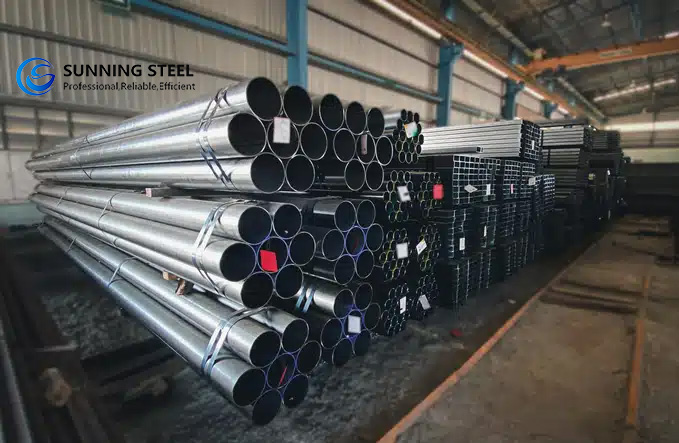
While duplex stainless steels are increasingly popular in oil and gas applications, 316L stainless steel remains widely used in:
Many customers choose 316L when corrosion resistance is needed without the higher cost or fabrication complexity of duplex grades.
From a manufacturer’s viewpoint, producing high-quality 316L stainless steel requires strict control throughout the production process.
Key production stages include:
Proper heat treatment is essential to ensure uniform corrosion resistance and mechanical performance.
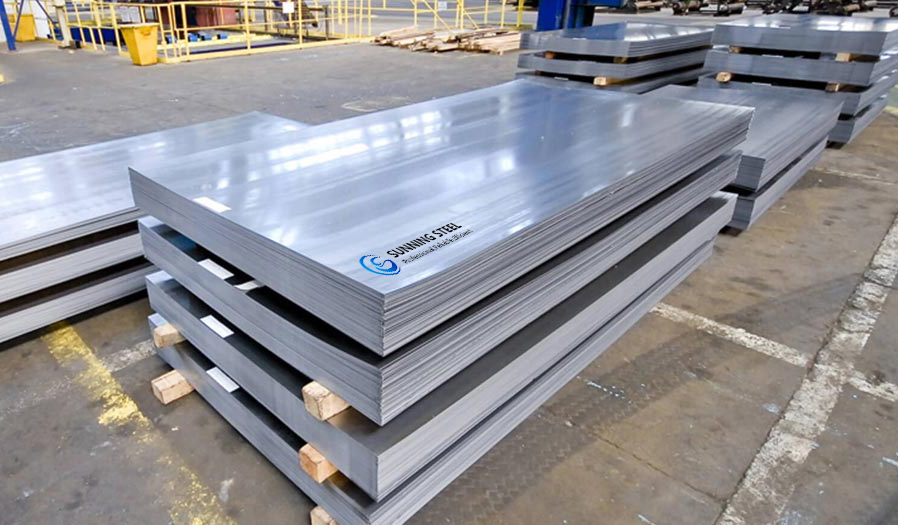
316L stainless steel is typically supplied as:
Customers often request customized cutting, surface finishing, and packaging based on downstream fabrication needs.
Over the years, we have supplied 316L stainless steel to customers in different industries. Common feedback includes:
Several customers initially selected 304 stainless steel for cost reasons, but later switched to 316L after experiencing corrosion-related issues. This highlights the importance of selecting materials based on actual service conditions, not initial cost alone.
316L stainless steel is an excellent choice if your application involves:
However, for extremely aggressive environments or high-load applications, duplex or nickel-based alloys may offer better long-term performance.
316L stainless steel remains a cornerstone material in industrial manufacturing. Its balanced performance, reliable corrosion resistance, and fabrication flexibility make it suitable for a wide range of applications.
From a manufacturer’s perspective, the key to success lies in:
Choosing the right material at the beginning ensures stable operation, longer service life, and optimized total cost over time.
This article was last updated on January 28, 2026