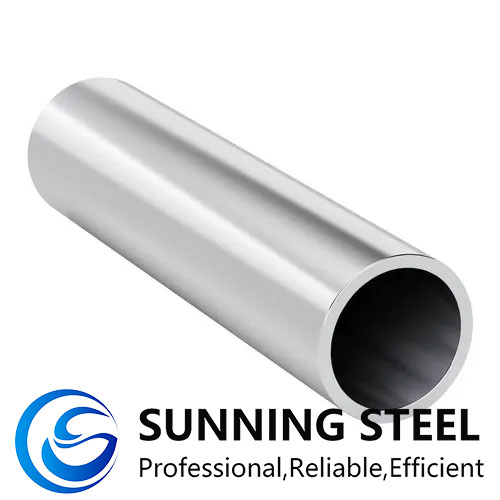
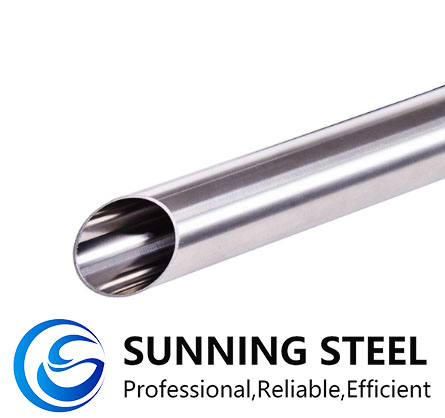
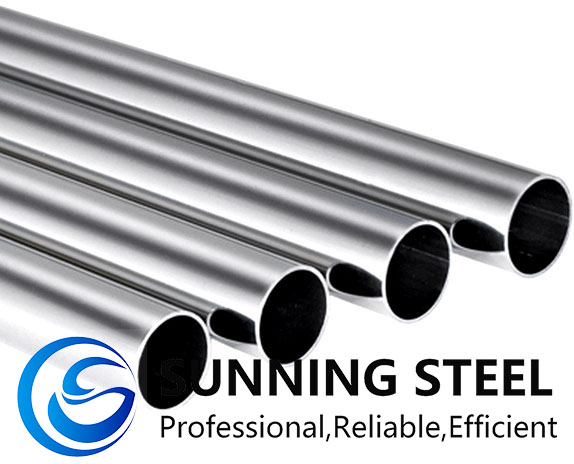
Welded steel pipes are essential components across global industries, supporting construction, energy systems, water transportation, machinery, automobiles, and indoor engineering projects. Their popularity stems from a balance of cost efficiency, strength, reliability, and a wide range of materials. For international buyers and engineers, understanding how welded pipes are manufactured helps ensure better supplier selection, quality evaluation, and long-term application planning.
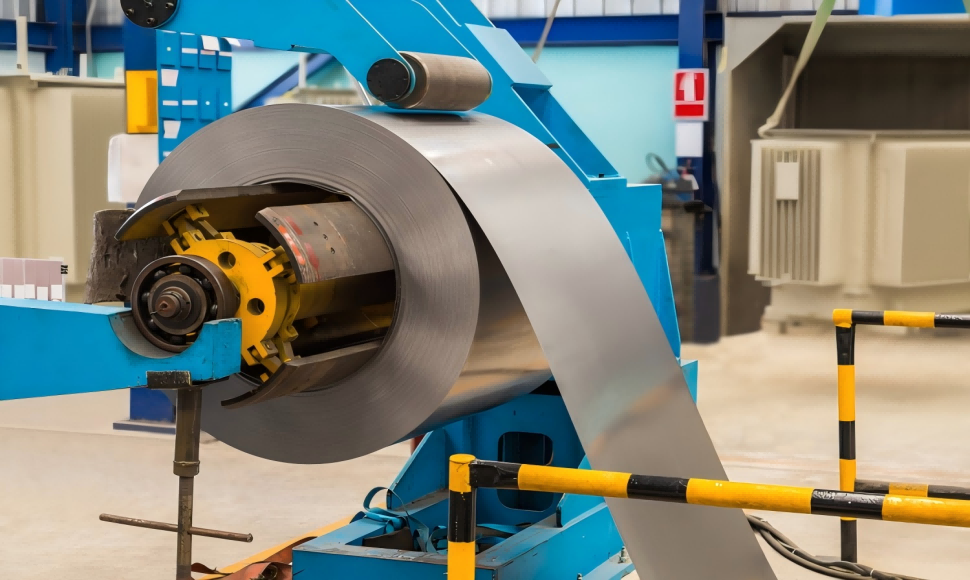
The production of welded steel pipes begins with selecting and preparing high-quality raw materials. Most welded pipes are made from hot-rolled or cold-rolled steel coils, depending on the required thickness, application, and surface characteristics. Before entering the forming line, these coils undergo strict checks for width, thickness accuracy, mechanical properties, and surface defects.
After inspection, the steel coils are sent for uncoiling and leveling. During uncoiling, internal stresses from the coil winding are released, and the sheet passes through leveling equipment to ensure a flat, uniform surface. This process ensures the steel strip has the proper tension and alignment for efficient forming and welding. The precision of raw material preparation directly affects the pipe’s roundness, straightness, and weld stability.
In many Chinese factories—particularly high-spec manufacturers—the steel coils also pass through cleaning and edge-trimming equipment. Clean edges and uniform width help reduce risks such as incomplete fusion, weld cracking, or misalignment during high-frequency welding.
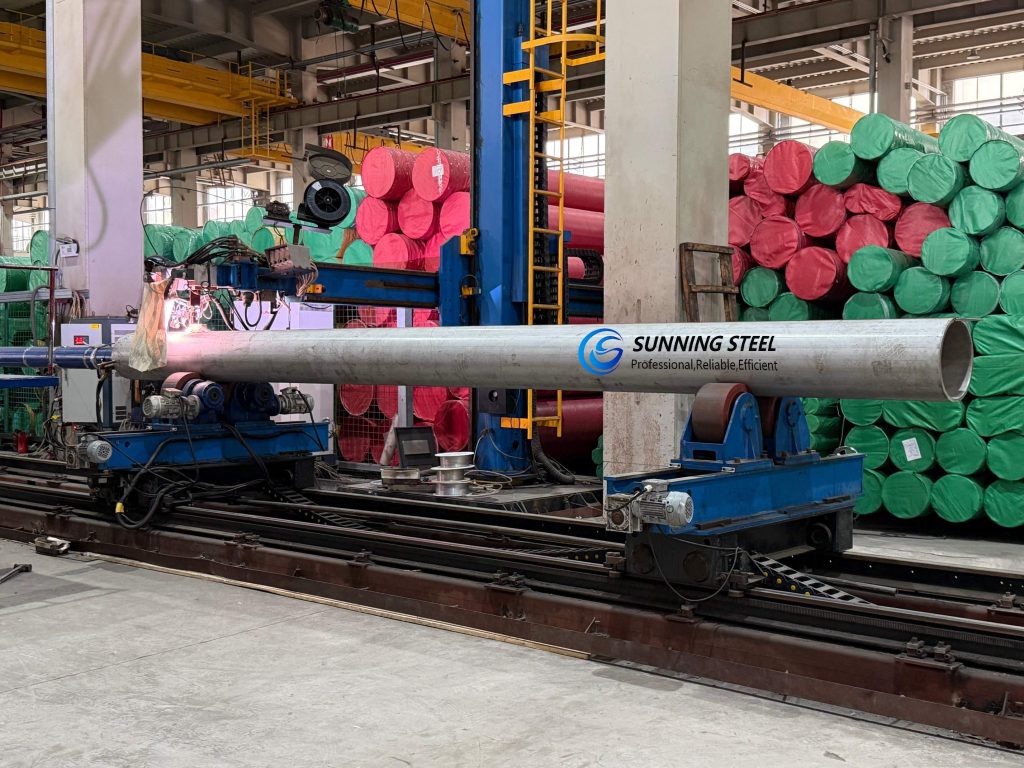
Once the steel strip is prepared, it enters a continuous forming line. This is one of the most important stages of welded pipe production. The strip passes through a series of forming rollers, each gradually bending the material until the edges meet at the top and form a round, square, or rectangular tube shape, depending on design specifications.
Modern forming technology minimizes internal stress and prevents defects like edge buckling or surface ripples. The final forming station ensures the tube’s shape is stable enough to enter the welding stage. Throughout this process, the goal is to create a smooth pipe seam with perfectly aligned edges—this directly determines welding quality.
Chinese welded pipe factories often use advanced CNC-controlled roller systems that automatically adjust pressure and alignment. For buyers, this means more consistent pipe shapes, better welding quality, and reduced risk of deformation during installation or pressure service.
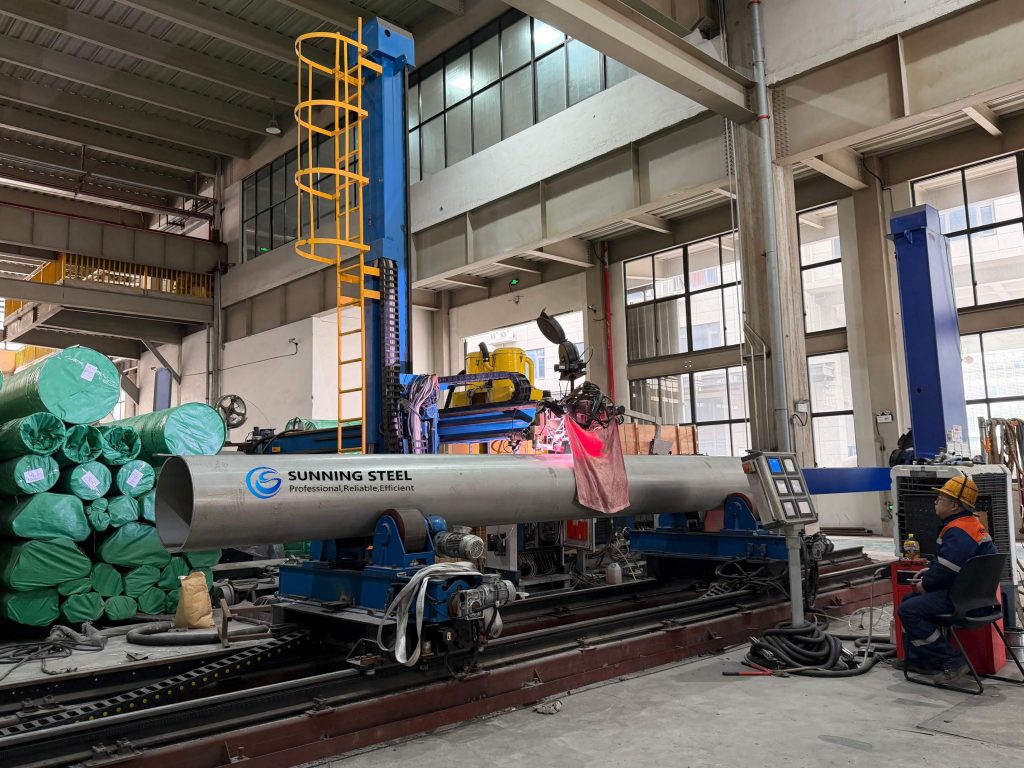
Welding is the core step that transforms steel strips into structurally complete pipes. Most welded pipes in today’s markets are produced using ERW (Electric Resistance Welding). High-frequency currents heat the strip edges to their bonding temperature without melting the entire cross-section. Once properly heated, pressure rolls force the edges together, creating a uniform and continuous weld.
ERW welding provides strong bonding, high productivity, and minimal heat-affected zones. After welding, an internal and external bead forms along the seam. Many customers prefer external weld bead removal, especially for precision applications, automotive tubing, and structural engineering. Some manufacturers also remove internal beads when producing high-quality pipes for fluid transport.
A key factor here is controlling temperature, frequency, pressure, and welding speed. Skilled technicians and advanced monitoring systems help ensure a smooth, defect-free weld. High-frequency ERW is widely used because it produces tight, energy-efficient welds with strong mechanical properties comparable to the base metal.
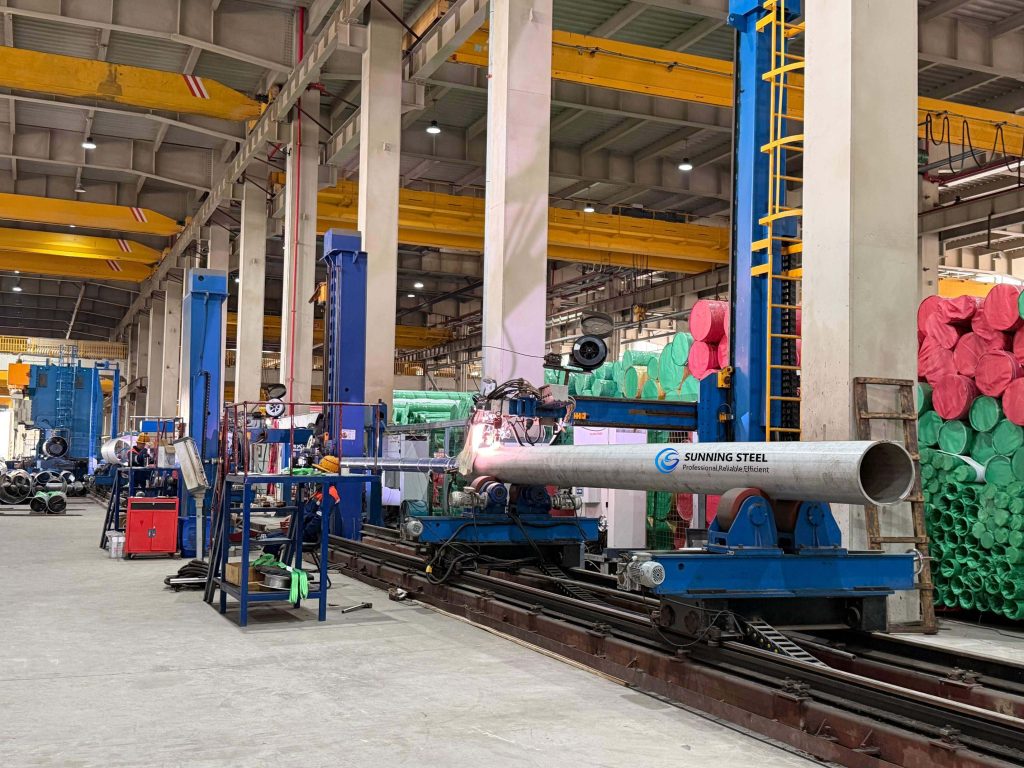
After welding, the pipe is still hot and may experience deformation. To correct this, the welded pipe enters a sizing mill, where rollers reshape it to a precise diameter and roundness. Sizing improves the pipe’s dimensional accuracy and surface consistency. The tube then undergoes straightening to remove any bending caused by forming or welding.
Next, the still-warm welded pipe is cooled—either through water spray or controlled air cooling. Proper cooling prevents excessive internal stress and ensures stable mechanical performance. It also prepares the pipe for cutting and non-destructive testing later in the line.
During this stage, dimensional inspection occurs frequently, especially in factories supplying export-grade pipes. Maintaining consistent roundness, wall thickness, and surface quality is essential for pipes used in machinery, engineering, and pressure systems.
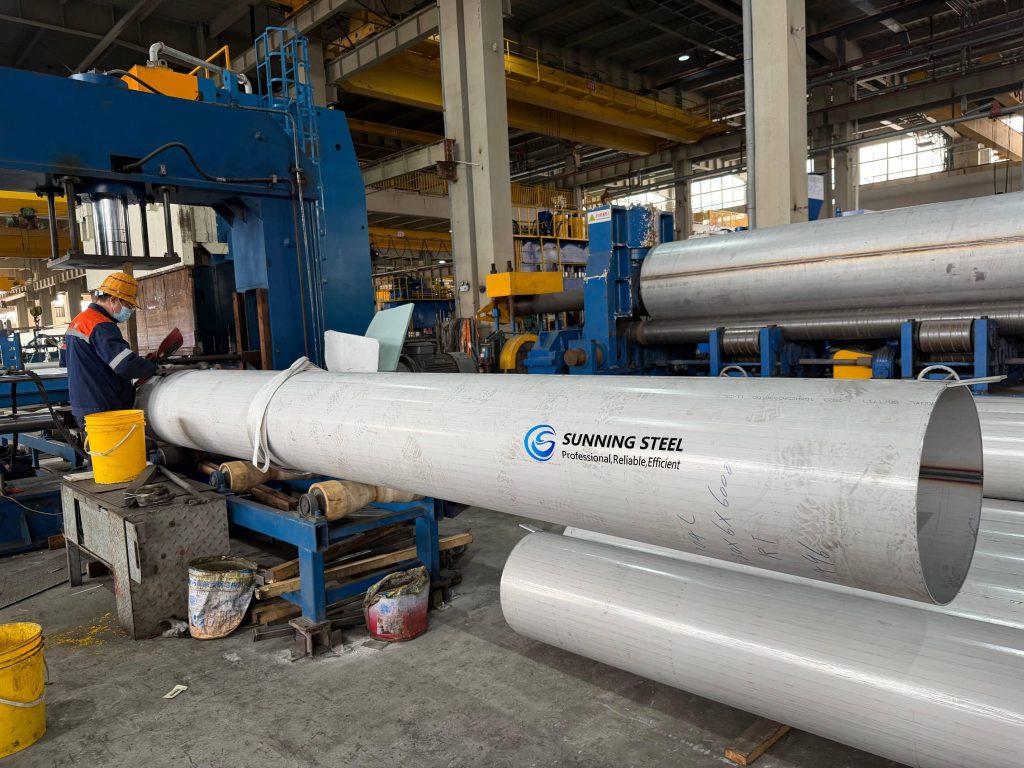
After cooling and sizing, the continuous pipe is cut into standard lengths—commonly 6 meters or 12 meters, though customized sizes are often available. Factories use flying saws, which cut the pipe without stopping the line, improving efficiency and accuracy.
After cutting, pipes undergo several finishing operations depending on customer requirements.
These may include:
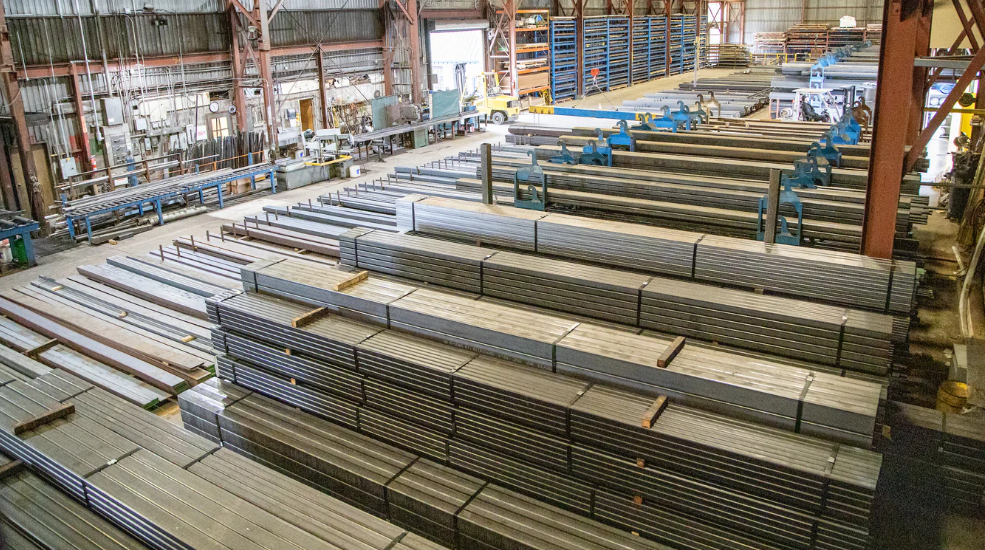
High-quality packaging is critical for overseas buyers. Many Chinese suppliers use steel strips, waterproof wrapping, and wooden supports to protect the pipes during transport.
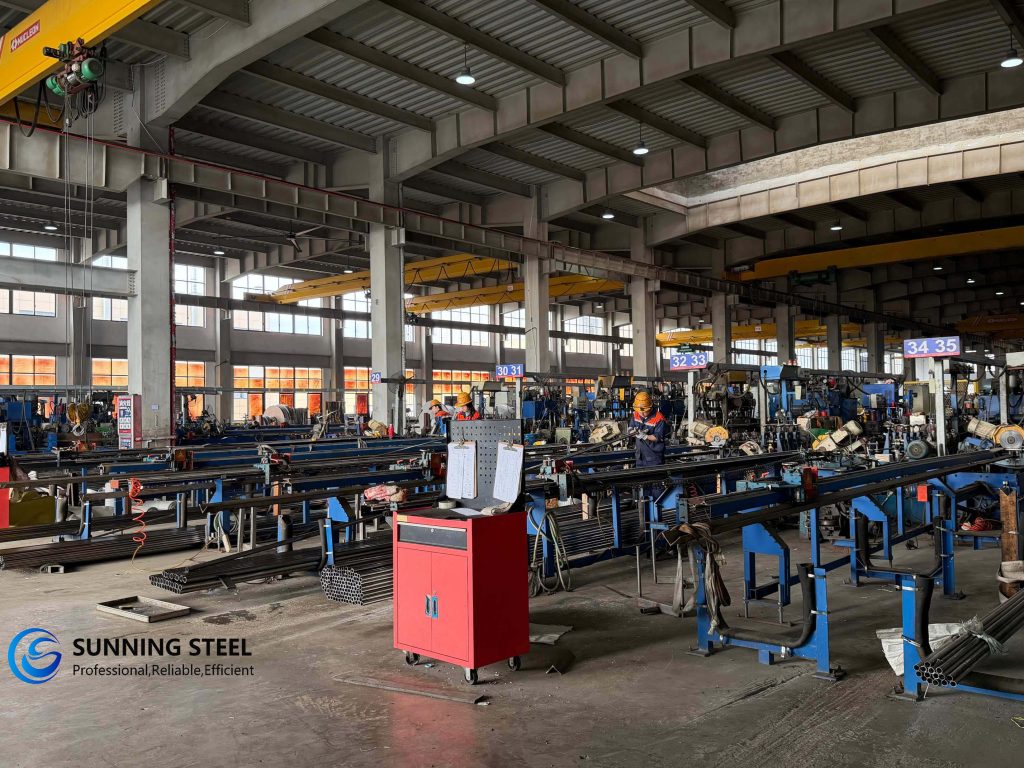
Quality control is one of the most important parts of the welded pipe production process. Modern factories adhere to international standards such as ASTM, EN, DIN, and ISO. Each pipe undergoes strict inspections before leaving the factory.
Common tests include:
Non-destructive testing ensures there are no defects inside the weld or pipe wall, making the product reliable for fluid transport, structural use, automotive parts, and machinery manufacturing.
For global buyers, consistent inspection reports and traceable production data are essential indicators of a credible supplier.
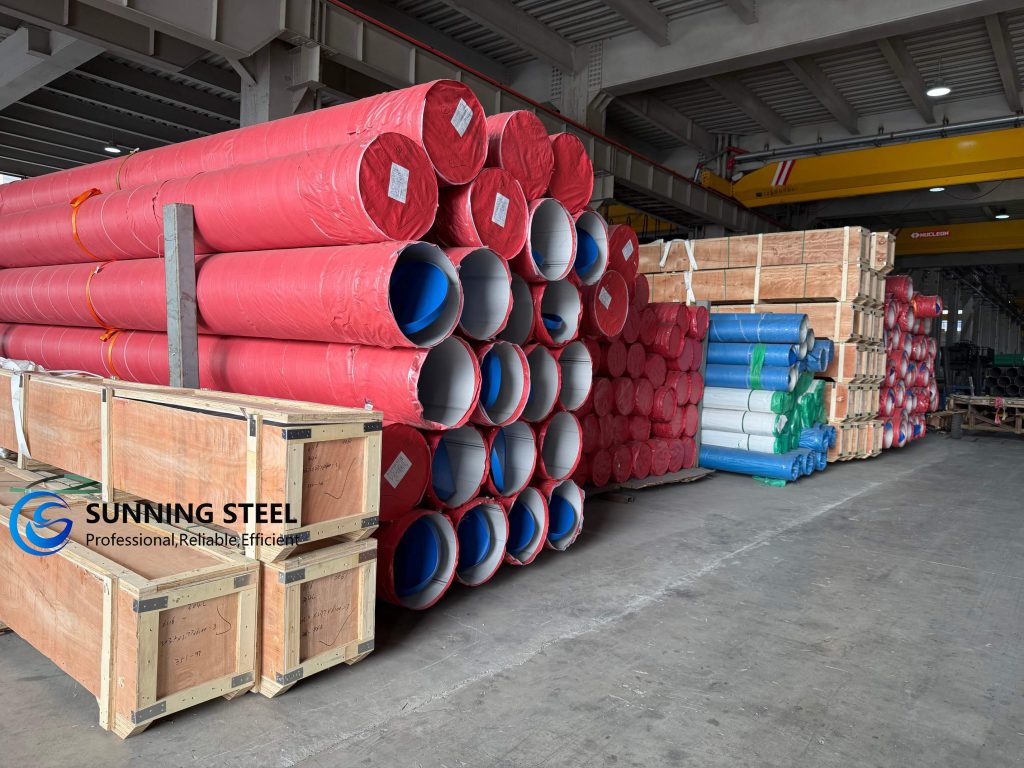
Once the pipes pass all quality checks, they are bundled, labeled, and prepared for shipment. Export-oriented factories provide professional packaging solutions that prevent moisture, rust, and mechanical damage. Pipes are loaded into containers using cranes, protective pads, and blocking systems to ensure safety during long-distance transport.
For large buyers, suppliers may also offer customized logistics, warehouse storage, and scheduled delivery solutions.
The production of welded steel pipes is a highly controlled and technologically integrated process. From raw material preparation to final inspection, each step influences the pipe’s performance, reliability, and long-term durability. Modern Chinese factories, including major exporters like SUNNING STEEL LIMITED, use advanced forming, high-frequency welding, automated testing, and strict quality systems to ensure high precision and consistent supply for global markets.