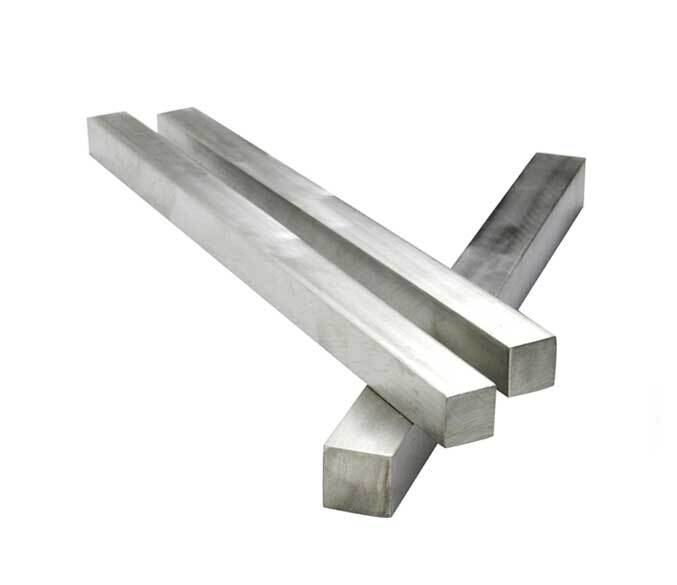
Stainless steel and Inconel are two of the most commonly compared industrial materials in global manufacturing, engineering, petrochemical, and aerospace sectors. Both are metal alloys with excellent mechanical performance, yet their characteristics, cost, and suitable working environments differ sharply.
For procurement teams, engineers, and international buyers, understanding these differences is essential for making reliable material decisions—especially when working with extreme temperatures, corrosive environments, or safety-critical systems.
This guide breaks down the comparison into four clear sections, each highlighting the essential differences between stainless steel and Inconel.
1. Composition Differences
Material composition determines almost everything about how a metal performs—strength, durability, corrosion resistance, and cost.
Stainless steel is an iron-based alloy containing a minimum of 10.5% chromium, which forms a protective oxide layer on its surface. This chromium layer gives stainless steel its well-known resistance to rust and general corrosion.
Depending on the grade, stainless steel may also contain:
Inconel is a nickel-based superalloy, and nickel generally accounts for 50%–70% or more of its composition. This dramatically changes its performance under heat and chemical exposure.
Typical alloy elements include:
High nickel content: the foundation of heat and corrosion resistance
Chromium: improves oxidation resistance
Molybdenum and niobium: enhance strength at extreme temperatures
Iron: present but in much lower percentages than stainless steel
Inconel 625: strong corrosion resistance in acids and seawater
Inconel 718: high strength for aerospace and turbine applications
2. Performance & Mechanical Properties
The true difference shows up when the materials are exposed to heat, stress, pressure, or aggressive chemicals.
Properties of Stainless Steel
Excellent corrosion resistance in daily industrial settings
Good mechanical strength across a wide temperature range
Performs best at temperatures below 800°C
Experiences loss of strength, scaling, and structural changes at high heat
Less resistant to strong acids, seawater, and highly oxidative chemicals
Stainless steel is versatile and reliable in general environments, but it is not designed for extreme operating conditions.
Properties of Inconel
Inconel’s performance is what earns it the name “superalloy.”
Maintains strength at temperatures above 900–1000°C
Resists oxidation, carburization, and thermal shock
Resistant to seawater, acids, and aggressive chemicals
Highly stable under pressure cycling, vibration, and mechanical fatigue
Excellent creep resistance (slow deformation under stress and heat)
These properties make Inconel indispensable where failure is not an option.
3. Applications Across Industries
Each material has industries where it performs best.
Stainless Steel Applications
Because stainless steel offers a balance of strength, affordability, and corrosion resistance, it is widely used in:
Food processing & kitchen equipment
Pharmaceutical machinery
Chemical storage tanks
Structural materials in construction
Piping systems & heat exchangers
Automotive exhaust components
Household appliances and decorative uses
These applications do not usually require exposure to extreme heat or aggressive chemical conditions, making stainless steel a cost-effective and practical choice.
Inconel Applications
Inconel is selected for mission-critical applications where high performance is mandatory:
Aerospace turbine blades and jet engines
Power generation turbines
Oil & gas downhole equipment
Nuclear reactor components
High-temperature furnaces and heat-treat fixtures
Chemical processing involving strong acids
Marine and offshore engineering
In these environments, stainless steel would degrade rapidly, while Inconel maintains stability and safety.
4. Cost & Selection Considerations
Cost Differences
This is one of the most significant factors for buyers.
Stainless steelis affordable, widely available, and suitable for large-volume projects.
Inconelis premium-priced, often 3–10 times more expensive than stainless steel, depending on grade and supply conditions.
The cost difference reflects the high nickel content and the specialized production processes required for superalloys.
How to Choose the Right Material
A: Choose stainless steel if:
You need a strong, corrosion-resistant material at an economical price
Operating temperatures are low to moderate
The environment is not highly acidic or marine-based
You are designing general structural or industrial equipment
B: Choose Inconel if:
The system operates at extremely high temperatures
Exposure to acids, seawater, or oxidative chemicals is expected
The equipment must endure long-term thermal cycles or pressure
Failure is unacceptable (aerospace, energy, petrochemical, nuclear)
Summary
Stainless steel and Inconel each serve important roles in modern industry. Stainless steel offers versatility, affordability, and adequate corrosion resistance for most industrial and commercial applications. In contrast, Inconel stands out as a superalloy capable of performing under extreme heat, pressure, and chemical exposure, making it ideal for aerospace, power generation, marine engineering, oil & gas, and high-precision manufacturing.
Your final decision should always consider temperature, corrosion level, mechanical stress, safety requirements, and budget. When conditions are severe and reliability is critical, Inconel remains the preferred material.