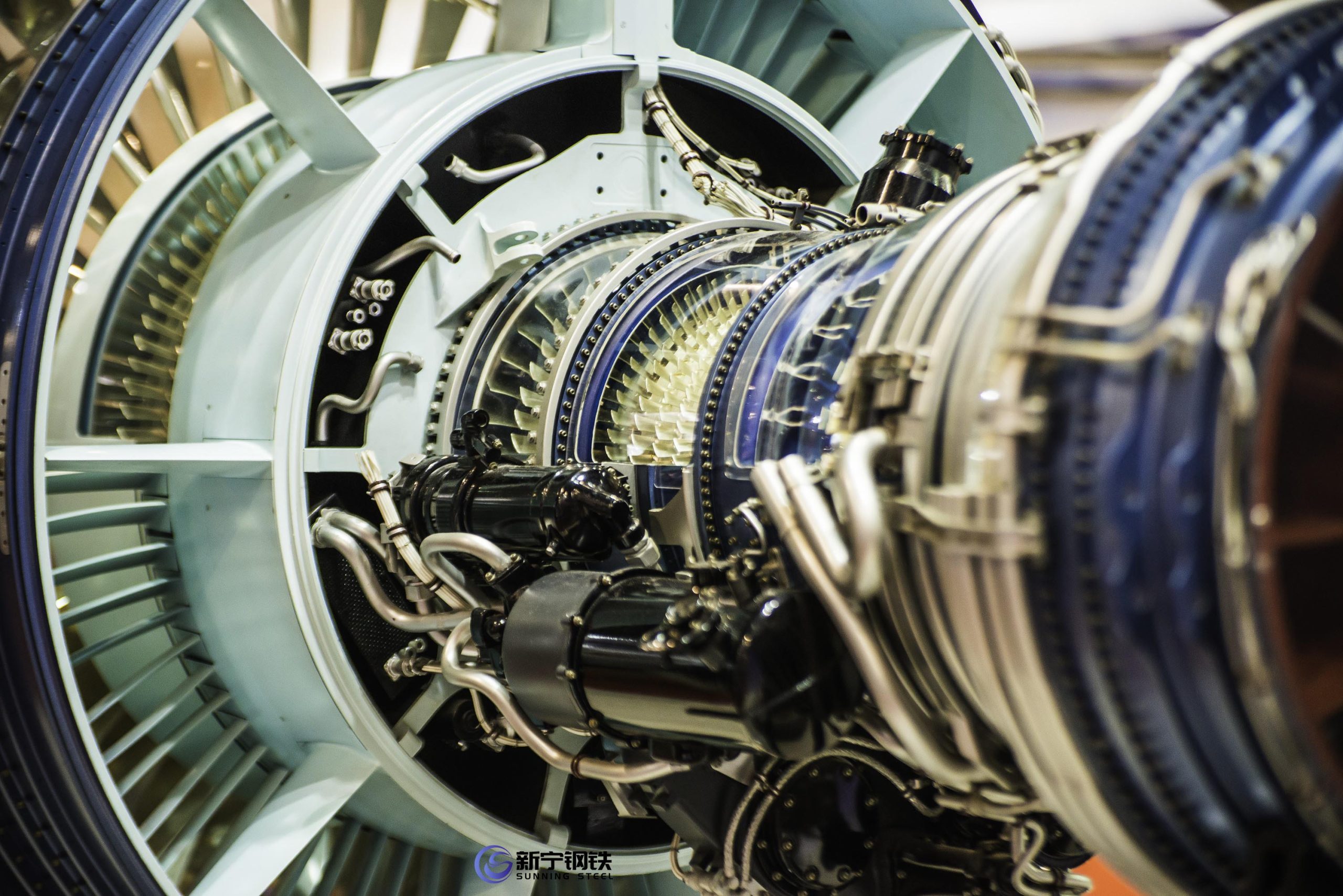
As industries continue to push the limits of temperature, pressure, and mechanical performance, superalloys have become essential materials in modern engineering. In aerospace, power generation, marine systems, and advanced industrial manufacturing, conventional metals often fail under extreme operating conditions. Superalloys, particularly nickel- and cobalt-based alloys, are designed to maintain strength, corrosion resistance, and structural stability in environments where ordinary materials cannot withstand.
In recent years, global demand for superalloys has increased significantly due to the expansion of aerospace manufacturing, gas turbine projects, renewable energy systems, and high-performance industrial equipment. Buyers searching for reliable high-temperature materials are increasingly comparing alloy grades not only by chemical composition, but also by long-term reliability, machinability, availability, and overall cost efficiency.
Among the many superalloys available in the market, certain grades have become industry standards because of their proven performance across demanding applications. The following are some of the most widely used and highly regarded superalloys in the aerospace and energy industries today.
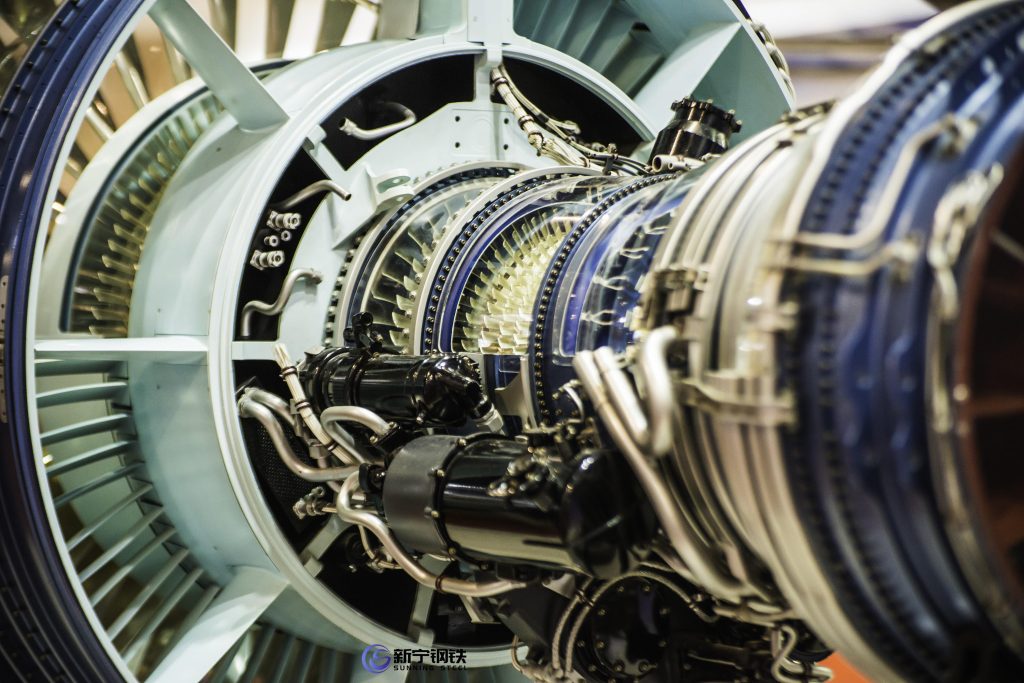
Inconel 718 is one of the most commonly used nickel-based superalloys in the aerospace industry. Known for its exceptional strength, oxidation resistance, and fatigue performance at elevated temperatures, the alloy is widely used in jet engines, gas turbines, rocket components, and high-pressure systems.
One of the key advantages of Inconel 718 is its ability to retain mechanical strength under extreme stress while also offering relatively good weldability compared to many other high-strength superalloys. This balance between performance and manufacturability has made it one of the most commercially successful superalloys worldwide.
Inconel 625 is highly valued for its outstanding corrosion resistance and excellent performance in aggressive environments. The alloy is commonly used in marine engineering, chemical processing equipment, offshore platforms, and exhaust systems.
Unlike precipitation-hardened alloys, Inconel 625 achieves strength primarily through solid solution strengthening, which contributes to its excellent weldability and resistance to cracking. It is especially effective in environments exposed to chlorides, seawater, and corrosive chemicals.
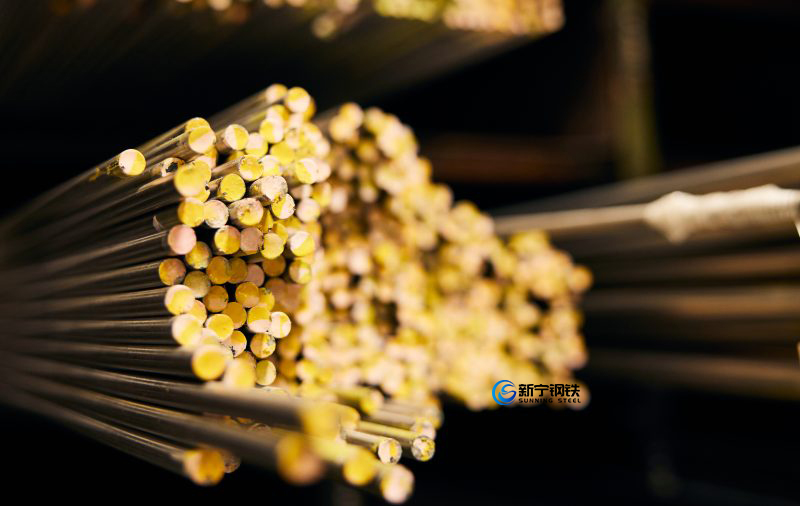
Hastelloy C276 is widely recognized for its superior resistance to chemical corrosion. The alloy performs exceptionally well in highly aggressive environments involving acids, chlorides, and oxidizing chemicals.
Industries such as chemical processing, pollution control, and pharmaceutical manufacturing frequently rely on Hastelloy C276 for equipment exposed to harsh media. Its ability to resist pitting and stress corrosion cracking makes it one of the most trusted corrosion-resistant superalloys available.
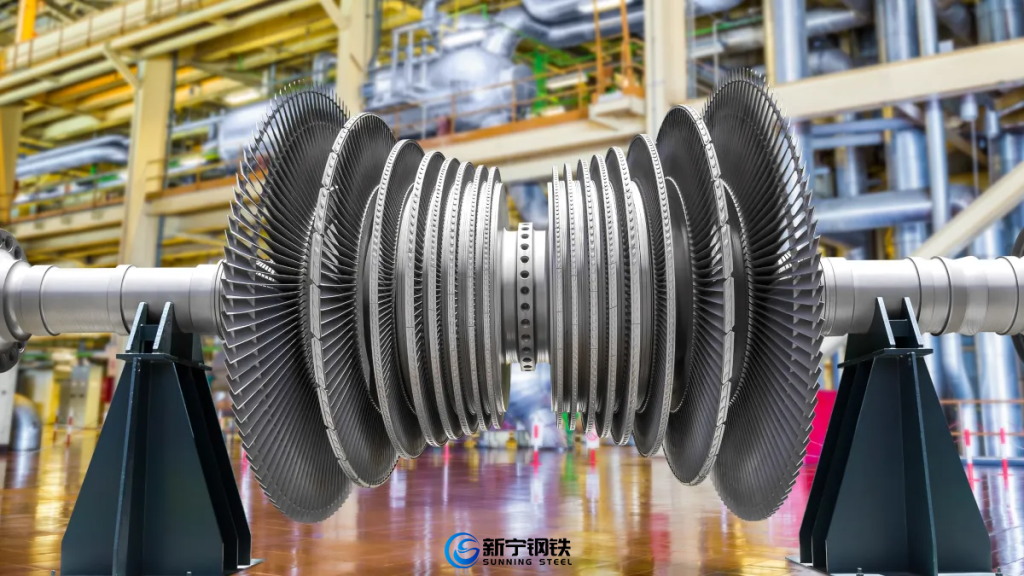
Waspaloy is a nickel-based superalloy specifically developed for high-temperature strength and creep resistance. It is extensively used in aerospace turbine engines, gas turbine discs, and high-performance rotating components.
Compared to some conventional nickel alloys, Waspaloy maintains excellent mechanical properties at elevated temperatures, making it suitable for applications involving prolonged thermal exposure and high mechanical loads.
Rene 41 is another high-strength nickel-based superalloy commonly used in aerospace and defense industries. The alloy offers excellent oxidation resistance and retains strength at temperatures approaching 980°C.
Applications include turbine blades, afterburner components, and rocket motor parts, where both high strength and thermal stability are critical.
Haynes 230 is widely used in gas turbine combustion chambers, heat exchangers, and industrial furnace applications. The alloy is known for its excellent oxidation resistance, thermal stability, and long-term durability at elevated temperatures.
Its ability to withstand thermal cycling makes it particularly suitable for energy systems involving repeated heating and cooling.
Monel 400 is a nickel-copper alloy recognized for its excellent resistance to seawater corrosion and marine environments. Although not always categorized alongside high-temperature aerospace superalloys, it remains highly important in marine engineering, offshore systems, and chemical applications.
The alloy also offers good mechanical strength and excellent resistance to hydrofluoric acid and alkalis.
Incoloy 800H is commonly used in heat-treatment equipment, petrochemical processing, and power-generation systems. The alloy provides excellent resistance to oxidation and carburization under elevated temperatures. Its stable microstructure and good creep strength make it suitable for prolonged exposure to high-temperature industrial environments.
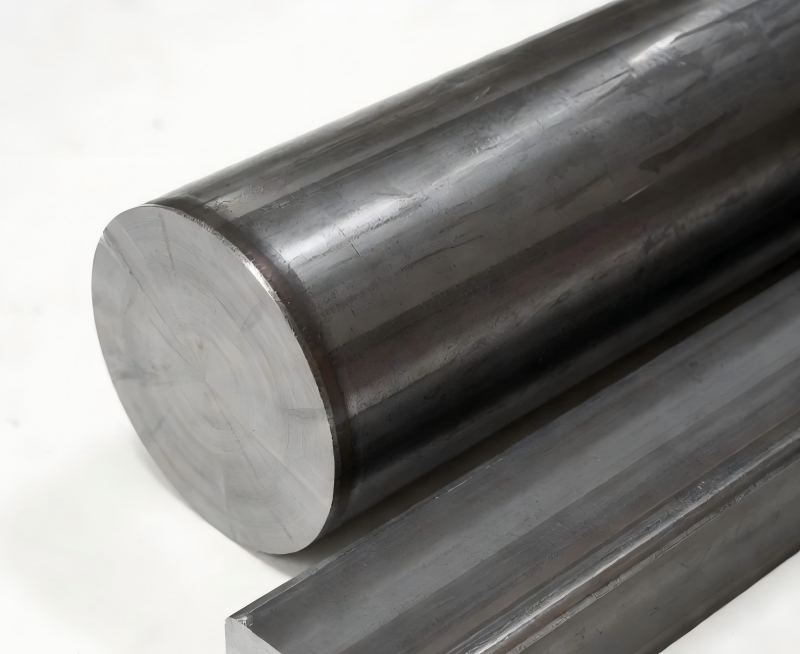
Cobalt-based superalloys are highly valued for wear resistance, thermal stability, and corrosion resistance. These alloys are frequently used in aerospace turbine components, medical implants, and industrial cutting tools.
Compared to some nickel-based alloys, cobalt alloys often perform better in environments involving severe wear or thermal fatigue.
Although titanium alloys are technically distinct from traditional nickel superalloys, they play an essential role in aerospace and high-performance engineering. Titanium alloys combine high strength with low density, helping reduce overall component weight while maintaining structural integrity.
They are widely used in aircraft structures, turbine blades, and high-performance automotive systems where weight reduction is critical.
The growing importance of superalloys reflects the increasing demand for materials capable of operating under extreme conditions. However, selecting the right alloy involves more than simply choosing the material with the highest performance rating. Buyers must evaluate actual operating temperatures, corrosion exposure, fabrication requirements, maintenance expectations, and cost considerations.
Another major concern in today’s market is supply reliability. As demand for advanced alloys continues to rise, procurement managers often face challenges related to lead time, price fluctuations, and quality consistency. Working with experienced suppliers who understand technical requirements and maintain stable production capability has become increasingly important.
Quality control also plays a critical role in superalloy applications. Small variations in heat treatment or chemical composition can significantly affect mechanical properties and long-term reliability. For industries such as aerospace and energy, strict inspection standards and traceability are essential.
At SUNNING STEEL LIMITED, we provide astable supply of superalloys, stainless steel products, and customized industrial material solutions for global customers. By focusing on consistent quality, reliable production planning, and professional technical support, we help buyers reduce procurement risks and select materials suited to real industrial applications.
As aerospace and energy industries continue evolving, superalloys will remain at the center of advanced engineering and high-performance manufacturing. Understanding the strengths and applications of different alloy grades is becoming increasingly important for buyers seeking reliable long-term solutions.