The global steel market enters the second half of 2026 with significant policy changes and evolving supply chain dynamics. While overall steel demand remains relatively stable, new trade regulations, carbon compliance requirements, and regional protection measures are reshaping international procurement strategies.
For importers, distributors, manufacturers, and engineering companies, understanding these market developments is essential for making informed purchasing decisions.
Here are the five most important trends shaping the global steel industry this July.
One of the biggest developments this month is the implementation of the European Union's new steel trade protection framework, effective from 1 July 2026. The new rules replace the previous safeguard system with stricter tariff-rate quotas, significantly reducing duty-free import volumes while increasing tariffs on imports that exceed quota limits. The framework also introduces stricter origin traceability requirements through the "melt and pour" rule.
For global steel exporters, this means:
European buyers are expected to evaluate suppliers more carefully as compliance and delivery reliability become key purchasing factors.
The EU Carbon Border Adjustment Mechanism (CBAM) is no longer viewed simply as another regulatory requirement. It has become an important factor influencing supplier selection.
Many European importers now consider carbon reporting, emissions transparency, and production documentation during supplier evaluations. Suppliers capable of providing complete technical documentation and traceable production data are better positioned for long-term cooperation.
Rather than reacting after regulations change, successful exporters are preparing in advance by improving documentation, quality control, and supply chain transparency.
Although demand has shown signs of stabilization in several regions, global steel overcapacity remains one of the industry's largest challenges.
According to the OECD, worldwide steelmaking capacity continues to exceed demand by a substantial margin, placing ongoing pressure on international pricing and competition. Excess capacity is expected to remain a defining issue over the next several years.
This environment encourages buyers to focus on value rather than simply the lowest price. Consistent quality, reliable delivery schedules, and stable long-term partnerships often provide greater overall value than short-term price fluctuations.
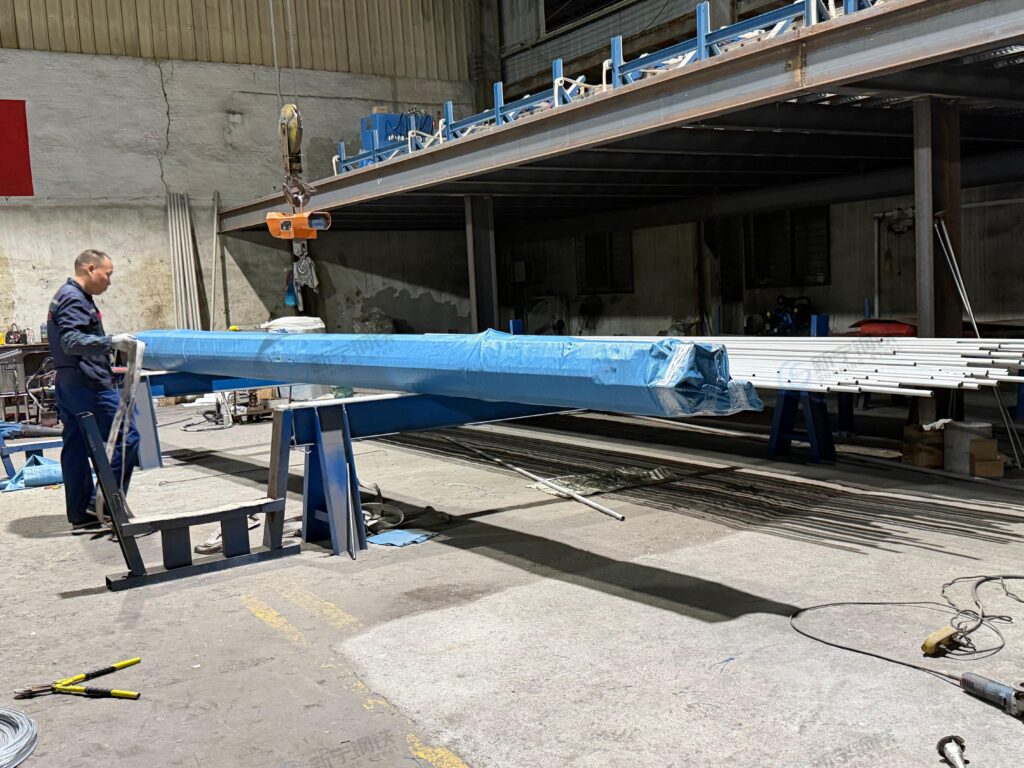
Despite uncertainties in some construction markets, demand for stainless steel continues to grow in several high-value sectors.
Industries supporting demand include:
High-performance stainless steel grades such as 304, 316L, 321, 904L, 2205 Duplex, and super alloys continue to see healthy demand due to their corrosion resistance and long service life.
As more industrial projects prioritize durability and lower lifecycle costs, stainless steel remains a preferred engineering material.
International buyers are no longer selecting suppliers based solely on price.
Today's purchasing priorities increasingly include:
Global trade policies can change quickly, making dependable supply chains a strategic advantage. Buyers increasingly seek manufacturers capable of delivering both technical expertise and reliable service throughout the procurement process.
July 2026 highlights an important shift in the global steel industry. Trade protection measures, carbon regulations, and supply chain resilience are becoming as influential as raw material prices.
For purchasing managers, distributors, EPC contractors, and equipment manufacturers, the best strategy is to work with suppliers that offer:
Building long-term supplier relationships can help reduce procurement risks while ensuring consistent product availability in an increasingly regulated global market.
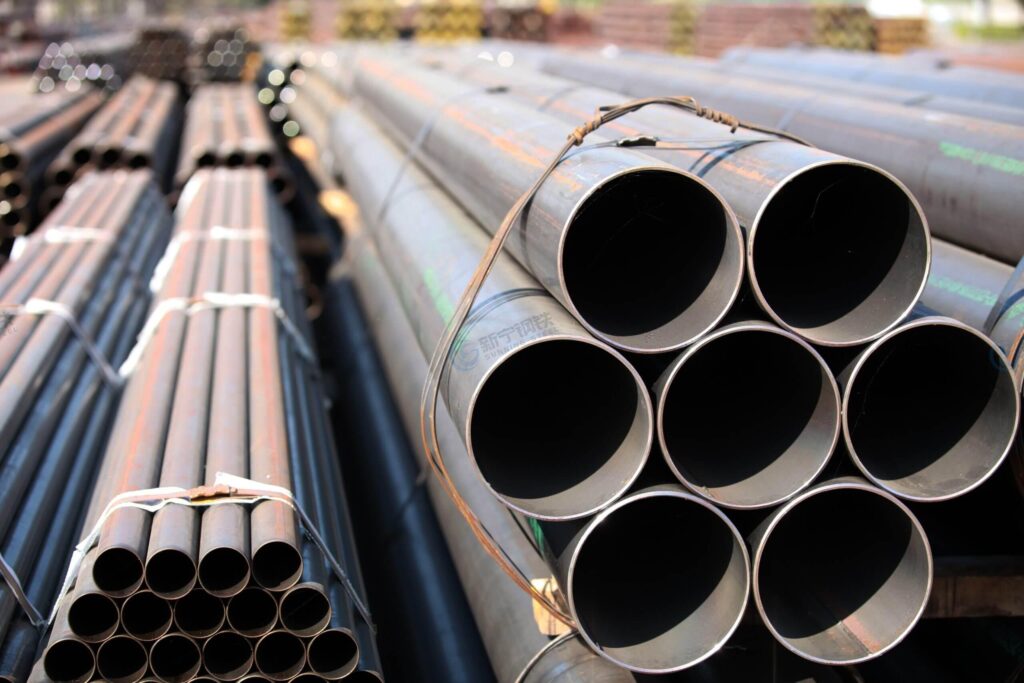
At Sunning Steel, we continue to support customers worldwide with reliable solutions for stainless steel and superalloys.
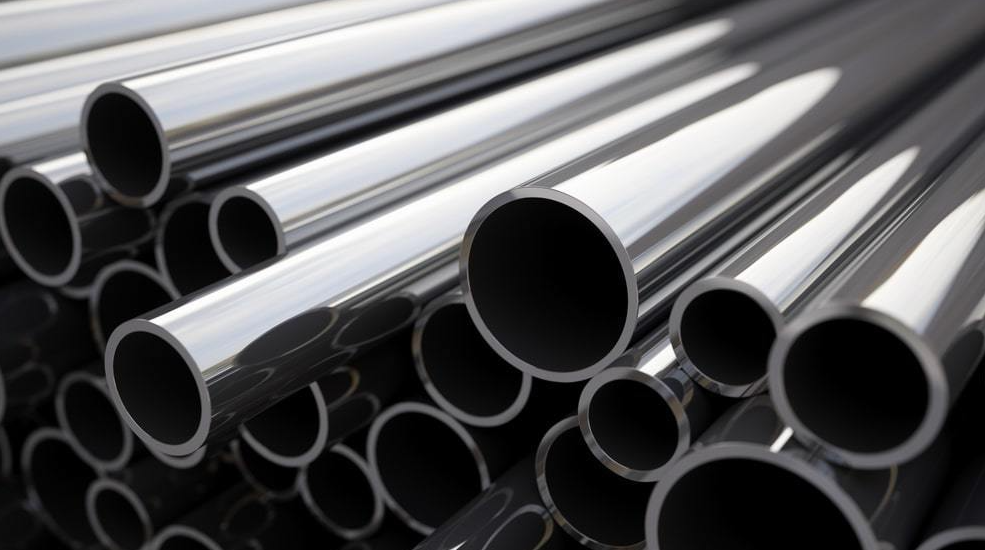
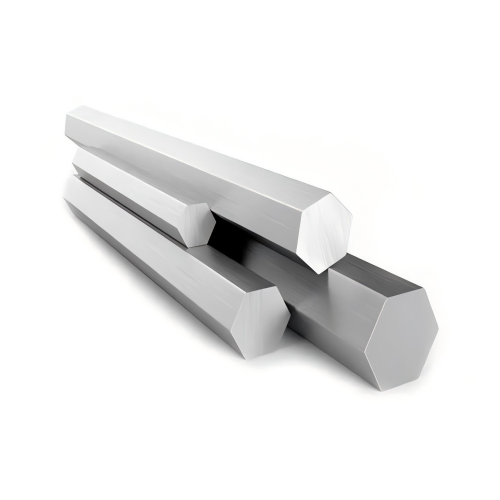
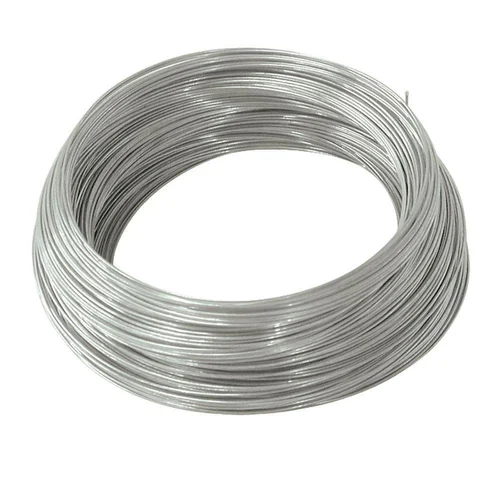
Our product portfolio includes stainless steel plates, coils, pipes, bars, forgings, flanges, and super alloy materials that meet international standards. We focus on stable supply, strict quality control, fast global delivery, and responsive technical support to help customers navigate today's changing market environment.
As global trade policies continue to evolve, we remain committed to being a trusted manufacturing and export partner for customers across Europe, Southeast Asia, the Middle East, and beyond.