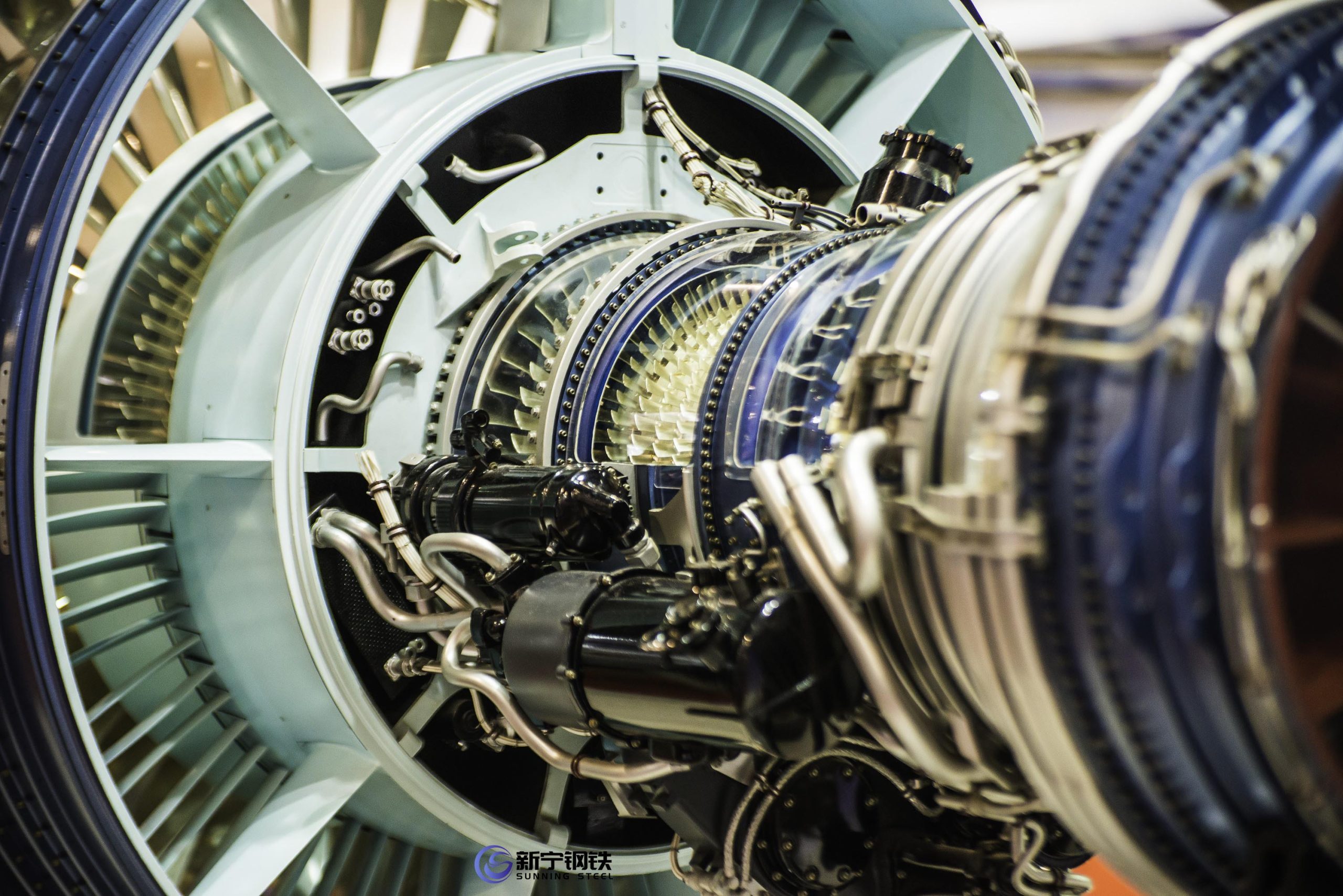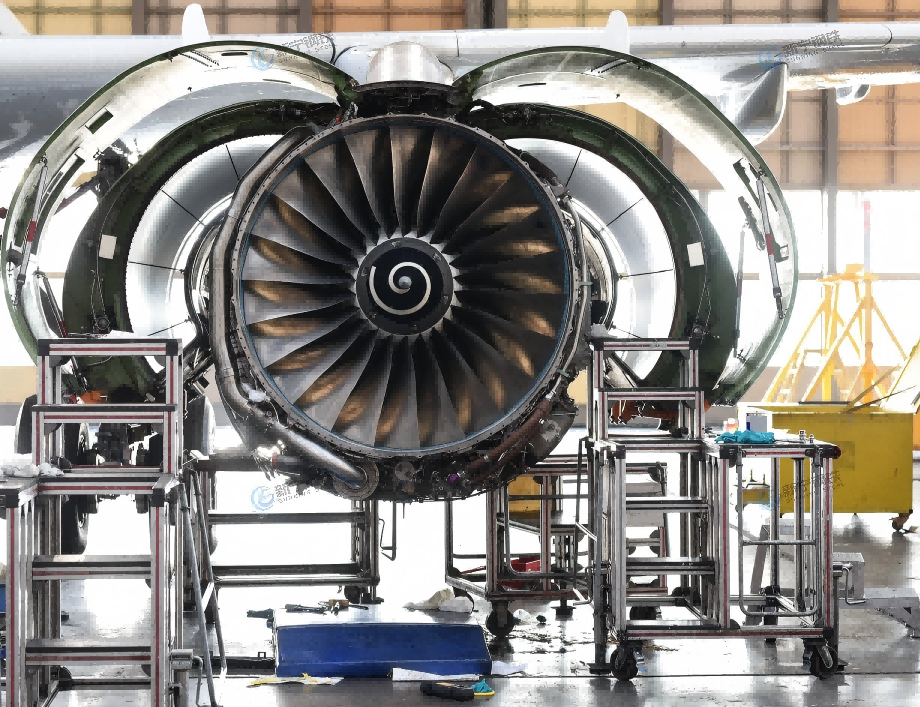
The aerospace industry relies on advanced materials capable of withstanding extreme temperatures, high mechanical loads, oxidation, and corrosive operating environments. From commercial aircraft engines to military jet propulsion systems and spacecraft components, material performance directly impacts safety, efficiency, and service life.
Among all high-performance engineering materials, superalloys have become the backbone of modern aerospace manufacturing. These alloys, primarily based on nickel, cobalt, and iron-nickel systems, are specifically engineered to maintain exceptional mechanical strength and stability under elevated temperatures. Their unique combination of creep resistance, fatigue strength, oxidation resistance, and corrosion resistance makes them indispensable for critical aerospace applications.
This item explores ten of the most widely used aerospace superalloys and explains why they continue to play a vital role in aircraft and engine manufacturing.
| Alloy | Temperature Capability | Main Strength | Aerospace Applications |
| Inconel 718 | Up to 700°C | Strength & Weldability | Turbine disks, fasteners |
| Inconel 625 | Up to 980°C | Corrosion Resistance | Exhaust systems |
| Rene 41 | Up to 980°C | Creep Resistance | Turbine blades |
| Haynes 282 | Up to 930°C | Long-Term Stability | Combustors |
| Waspaloy | Up to 870°C | Fatigue Resistance | Engine shafts |
| Hastelloy X | Up to 1000°C+ | Oxidation Resistance | Combustion chambers |
| Incoloy 800H | Up to 900°C | Thermal Stability | Heat exchangers |
| MAR-M247 | Up to 1050°C | Turbine Performance | Turbine blades |
| Haynes 188 | Up to 1090°C | Extreme Heat Resistance | Combustor liners |
| Alloy 230 | Up to 1150°C | Thermal Cycling Resistance | Exhaust structures |
Inconel 718 is one of the most extensively used nickel-based superalloys in the aerospace sector. The alloy is precipitation-hardened and offers an outstanding combination of high tensile strength, fatigue resistance, corrosion resistance, and excellent weldability. It maintains reliable mechanical properties at temperatures up to approximately 700°C, making it suitable for a wide range of aerospace components.
In aerospace manufacturing, Inconel 718 is commonly used for turbine disks, compressor blades, engine casings, structural fasteners, and rocket propulsion components. These applications require materials capable of withstanding significant mechanical stress while maintaining dimensional stability during prolonged exposure to elevated temperatures.
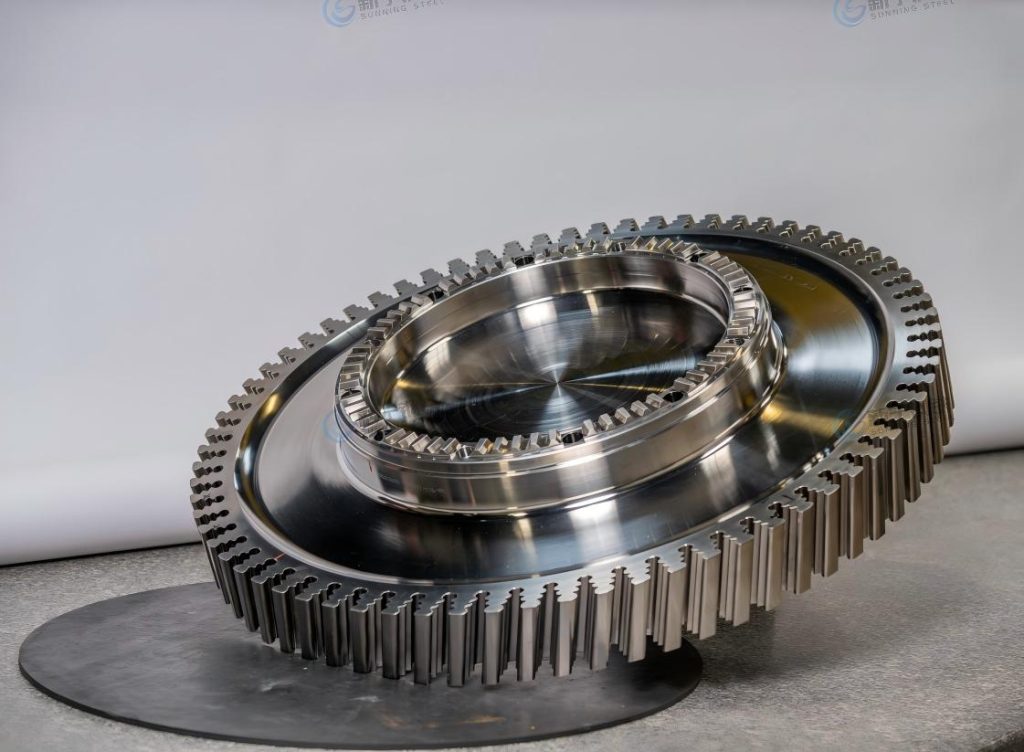
Inconel 625 is a solid-solution strengthened nickel-chromium alloy renowned for its exceptional resistance to corrosion, oxidation, and thermal degradation. Its strength does not come from precipitation hardening. The alloy gains strength mainly from additions of molybdenum and niobium. These elements improve its performance in very aggressive environments.
The alloy is frequently used in aerospace exhaust systems, thrust reversers, engine ducting, and structural components exposed to corrosive gases and elevated temperatures. Its ability to resist oxidation and thermal fatigue makes it especially valuable in engine-related applications where reliability is essential.
Rene 41 is a high-strength nickel-based superalloy developed specifically for demanding aerospace applications. It exhibits excellent creep resistance and retains remarkable mechanical strength at temperatures approaching 980°C, making it suitable for some of the hottest sections of aircraft engines.
This alloy is commonly found in turbine blades, exhaust nozzles, afterburner assemblies, and missile propulsion systems. These components operate under extreme thermal and mechanical stresses and require materials that can maintain structural integrity over extended service periods.
Haynes 282 is considered one of the most advanced modern superalloys developed for high-temperature aerospace service. It combines exceptional creep strength with excellent weldability, solving many of the fabrication challenges associated with traditional high-performance nickel alloys.
The material is widely used in combustion chambers, turbine casings, exhaust structures, and other engine components exposed to continuous thermal loading. Its ability to maintain strength during long-term operation makes it particularly attractive for next-generation gas turbine engines.
Waspaloy has been a trusted aerospace material for decades due to its excellent strength retention and creep resistance at elevated temperatures. The alloy performs exceptionally well in environments where long-term thermal stability is critical.
In aerospace systems, Waspaloy is commonly used for turbine shafts, engine disks, seals, rings, and high-strength fastening components. These applications require a material capable of resisting deformation and fatigue under severe operating conditions.
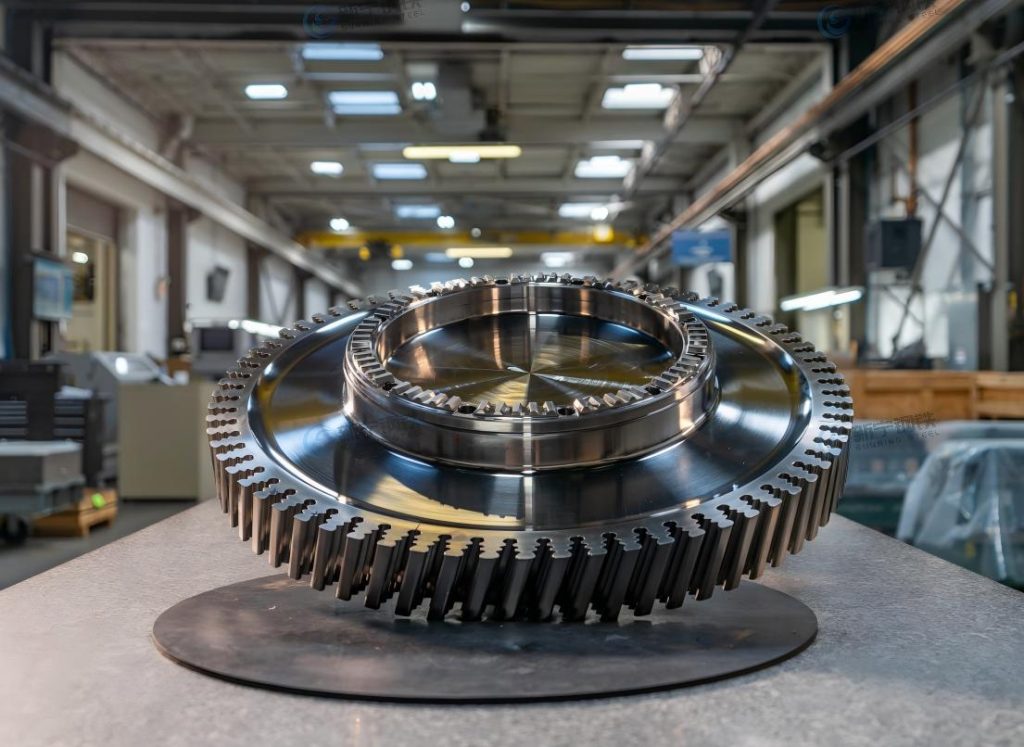
Hastelloy X is a nickel-based superalloy recognized for its outstanding oxidation resistance and exceptional fabrication characteristics. The alloy maintains reliable performance at temperatures exceeding 1,000°C and demonstrates excellent resistance to thermal fatigue.
Aerospace manufacturers frequently utilize Hastelloy X in combustion chambers, transition ducts, exhaust systems, and gas turbine structural components. These parts are subjected to repeated heating and cooling cycles that can rapidly degrade conventional materials.
Incoloy 800H is an iron-nickel-chromium alloy specifically designed for high-temperature service. It offers excellent oxidation resistance, structural stability, and resistance to carburization, making it suitable for aerospace systems operating under continuous heat exposure.
The material is commonly used in aerospace heat exchangers, high-temperature ducting systems, thermal processing equipment, and supporting engine structures. These applications benefit from the alloy's ability to maintain stable mechanical properties over extended periods.
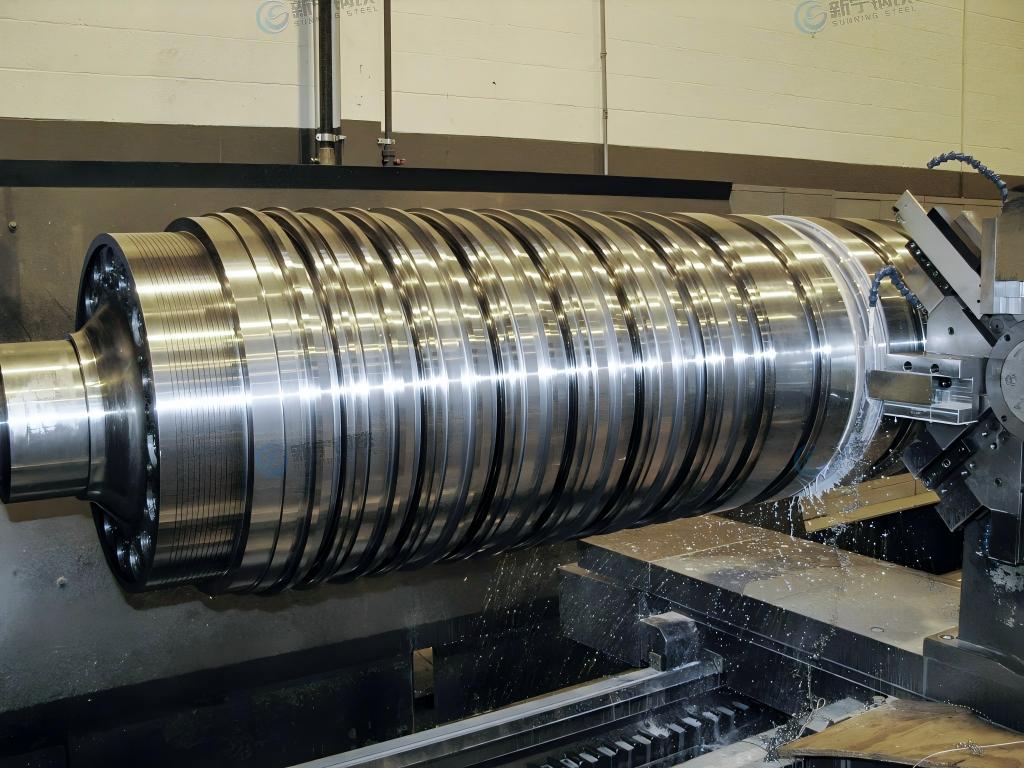
MAR-M247 is a cast nickel-based superalloy specifically developed for turbine blade manufacturing. The alloy offers exceptional creep resistance, high-temperature strength, and oxidation resistance, making it one of the most important materials used in turbine hot sections.
The material is widely utilized in turbine blades, vanes, and other engine components exposed directly to extreme combustion temperatures. Its microstructure is optimized to provide maximum durability under some of the harshest operating conditions encountered in aerospace engines.
Haynes 188 is a cobalt-based superalloy known for its exceptional oxidation resistance and thermal stability at temperatures exceeding 1,090°C. The alloy also demonstrates excellent resistance to thermal fatigue and environmental degradation.
It is frequently used in combustor liners, flame holders, turbine structures, and other aerospace components subjected to prolonged high-temperature exposure. These demanding environments require materials capable of maintaining strength while resisting oxidation and cracking.
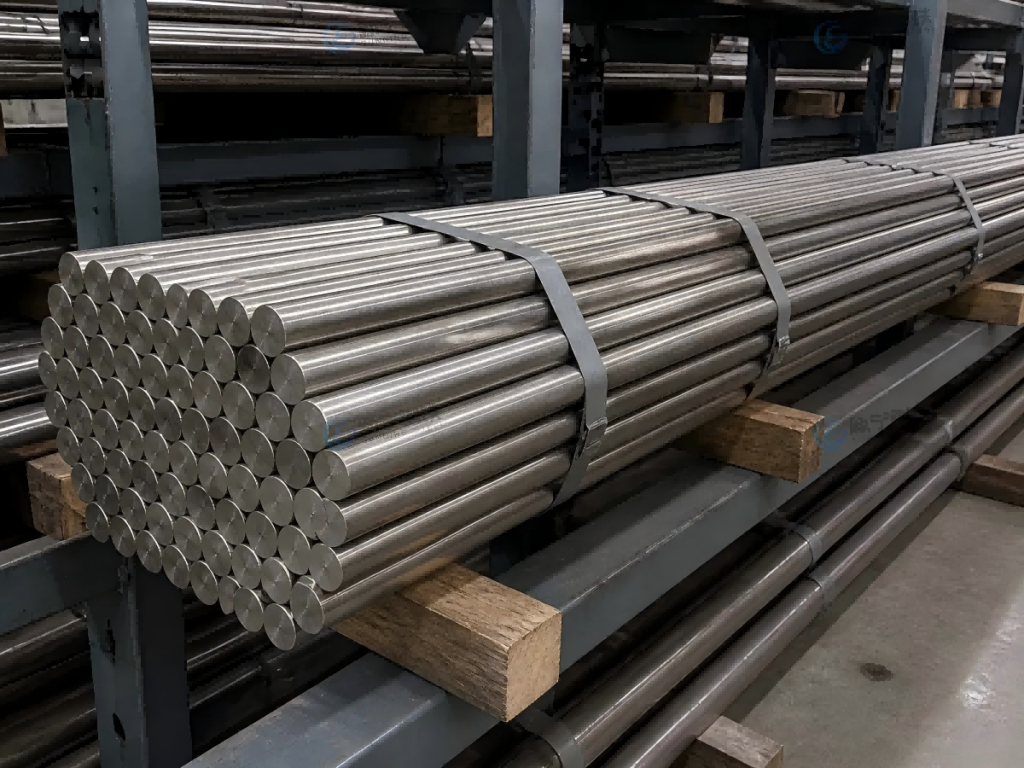
Alloy 230 is a high-performance nickel-based superalloy offering an excellent combination of strength, oxidation resistance, and fabrication versatility. It performs exceptionally well under cyclic thermal conditions and maintains structural integrity during long-term exposure to elevated temperatures.
In aerospace applications, Alloy 230 is widely used in engine combustors, exhaust systems, turbine transition sections, and hot gas handling equipment. Its resistance to thermal cycling damage helps extend component service life while reducing maintenance requirements.
Selecting the most suitable aerospace superalloy depends on several key factors, including operating temperature, environmental conditions, mechanical loading, and manufacturing requirements.
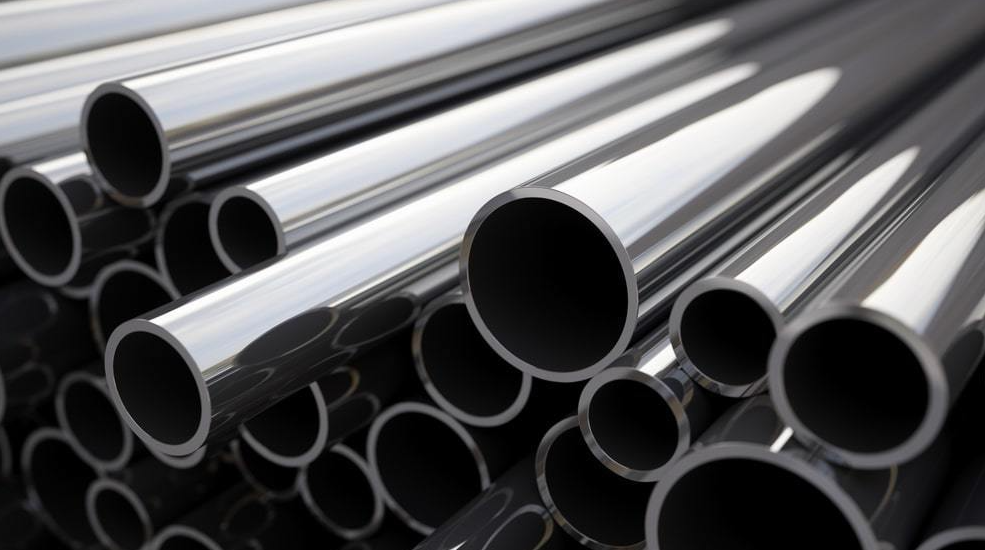
We are a professional superalloy supplier and manufacturer offering a wide range of nickel-based alloys, cobalt-based alloys, aerospace-grade bars, plates, sheets, tubes, forgings, and custom-machined components. Contact our team today for technical support, material recommendations, and competitive quotations for your aerospace projects.