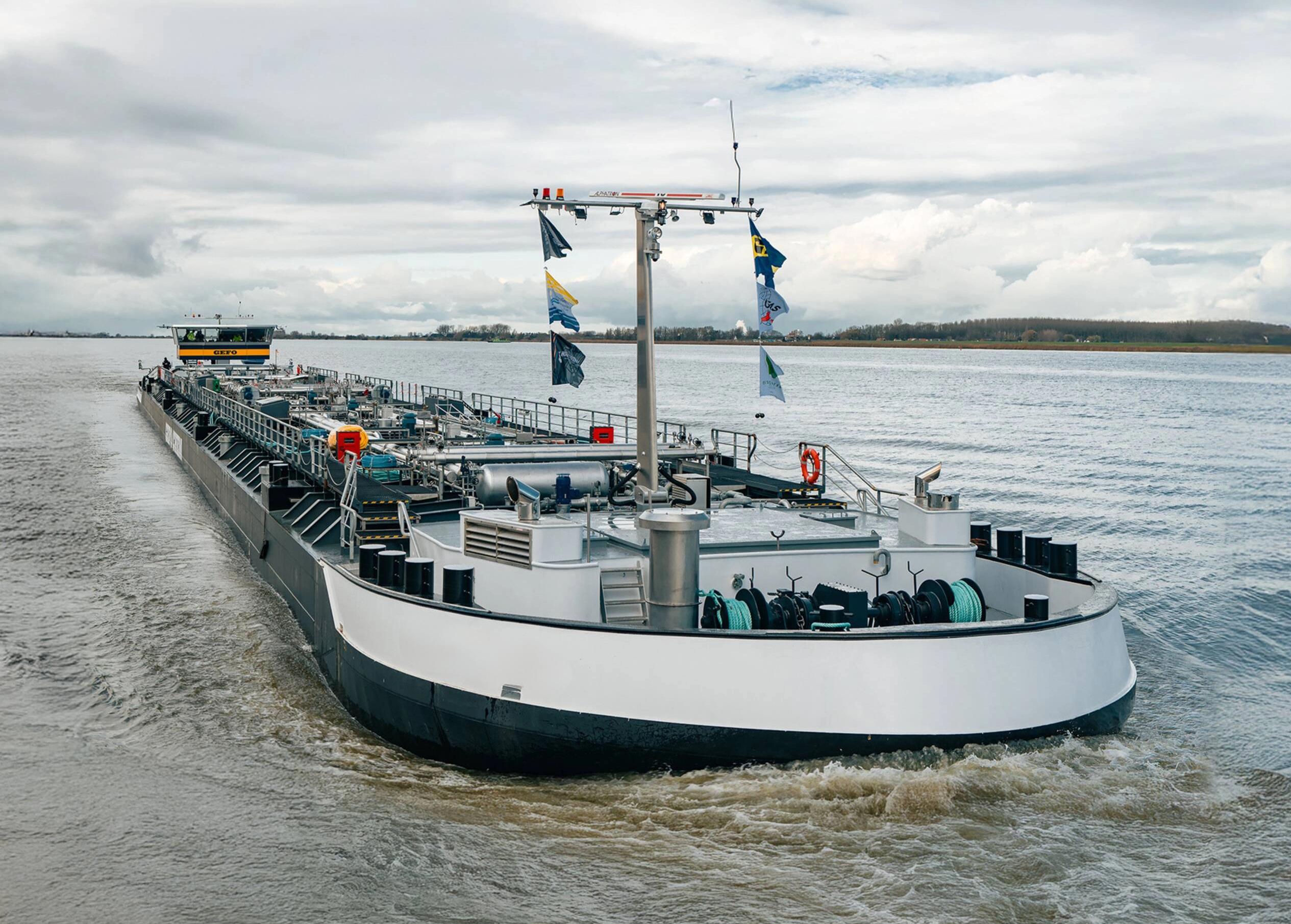
In offshore oil and gas platforms, subsea pipelines, and marine equipment design, selecting the right alloy is not simply a matter of opting for "rust-proof" steel. Treating the ocean as a uniform operating environment is one of the most frequent and costly engineering errors in material procurement.
Seawater corrosion rates vary dramatically depending on local salinity, oxygen concentration, temperature, flow velocity, and wet-dry evaporation cycles. Specifying 316L across an entire offshore structure often leads to premature localized failure in splash zones, while over-engineering subsea support frames with high-nickel alloys drives capital expenditures unnecessarily high.
Achieving optimal offshore corrosion resistance stainless steel performance requires a zone-based selection strategy. This guide breaks down the four critical marine micro-environments and maps the exact material grades—from austenitic 316L to 2205 duplex and 2507 super duplex—required for reliable, long-term operation.
Before matching alloys to specific zones, engineers rely on the Pitting Resistance Equivalent Number (PREN) to quantify an alloy's resistance to localized pitting and crevice corrosion in chloride-rich marine environments. PREN is calculated using the chemical composition of the steel:
PREN = %Cr + 3.3(%Mo + 0.5%W) + 16(%N)
As a general rule, stainless steel exposed to direct seawater requires a PREN value greater than 32 to avoid rapid localized pitting. Standard 316L (PREN ~25) falls short in aggressive immersion scenarios, whereas 2205 Duplex (PREN ~35) and 2507 Super Duplex (PREN 42+) excel.
Components continuously submerged deep underwater—such as subsea valves, manifold piping, and underwater structural connectors—face continuous chloride exposure coupled with low oxygen replenishment. Deprived of oxygen, the protective chromium oxide passive film cannot easily self-repair if breached.
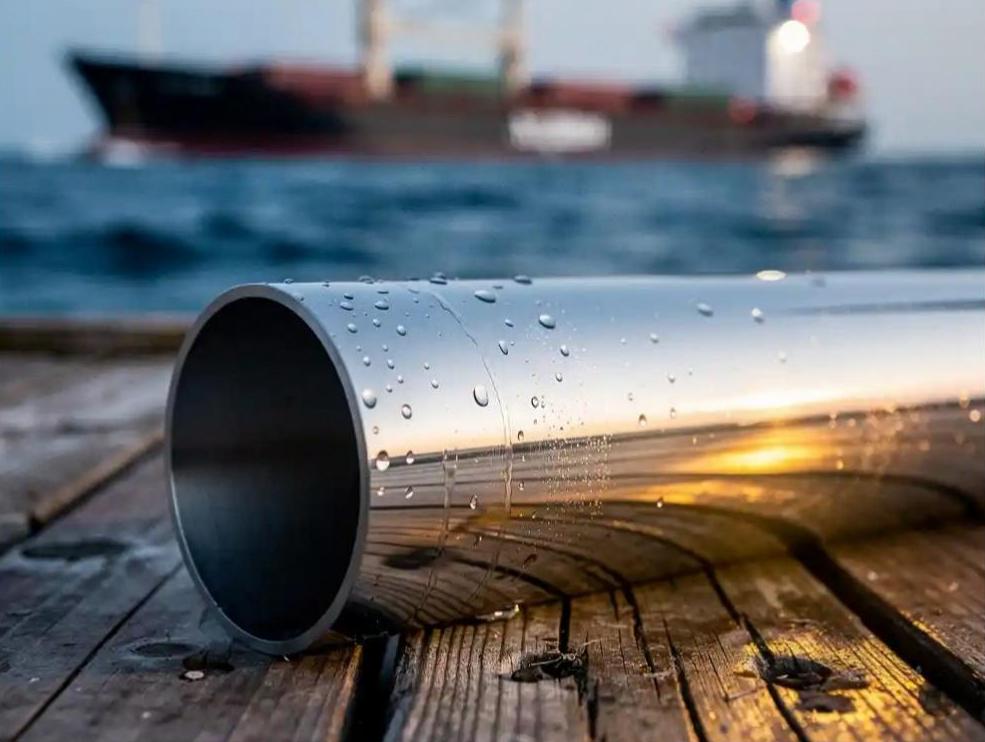
The splash and tidal zone represents the harshest corrosive environment on any offshore marine structure. Alternating wet-and-dry cycles caused by wave action and sunlight cause seawater to evaporate on metal surfaces, resulting in highly concentrated salt deposits. Combined with high dissolved oxygen levels and wave impact erosion, standard austenitic stainless steel fails rapidly here.
Located on upper deck enclosures, instrument cabinets, handrails, and coastal infrastructure, this zone is exposed to airborne marine salt spray and ambient humidity without direct seawater immersion.
Offshore heat exchangers, reverse osmosis (RO) desalination high-pressure pumps, and hot seawater discharge piping operate under elevated temperatures (>60°C). Under elevated temperatures, standard austenitic steels suffer catastrophic Stress Corrosion Cracking (SCC).
| Marine Zone | Primary Risk | PREN Req. | Recommended Grade | Key Advantage |
| Atmospheric / Deck | Salt spray, tea staining | ≥ 25 | 316L Stainless | Cost-effective, easy fabrication |
| Tidal & Splash Zone | Wet/dry pitting, erosion | ≥ 35 | 2205 Duplex | High strength, splash resistance |
| Subsea Immersed | Crevice corrosion, biofouling | ≥ 40 | 2507 Super Duplex | Immune to crevice pitting in subsea |
| Hot Marine Process | Stress Corrosion Cracking | ≥ 42 | 2507 / 6% Mo Alloy | High-temp SCC immunity |
Selecting marine grade stainless steel is an exercise in balancing initial material capital costs against long-term operational reliability. While upgrading from 316L to 2205 or 2507 Super Duplex incurs higher upfront material cost per ton, the dual advantages of higher PREN ratings and doubled yield strength allow for thinner wall designs, lower structural weight, and the elimination of unscheduled offshore maintenance downtime.
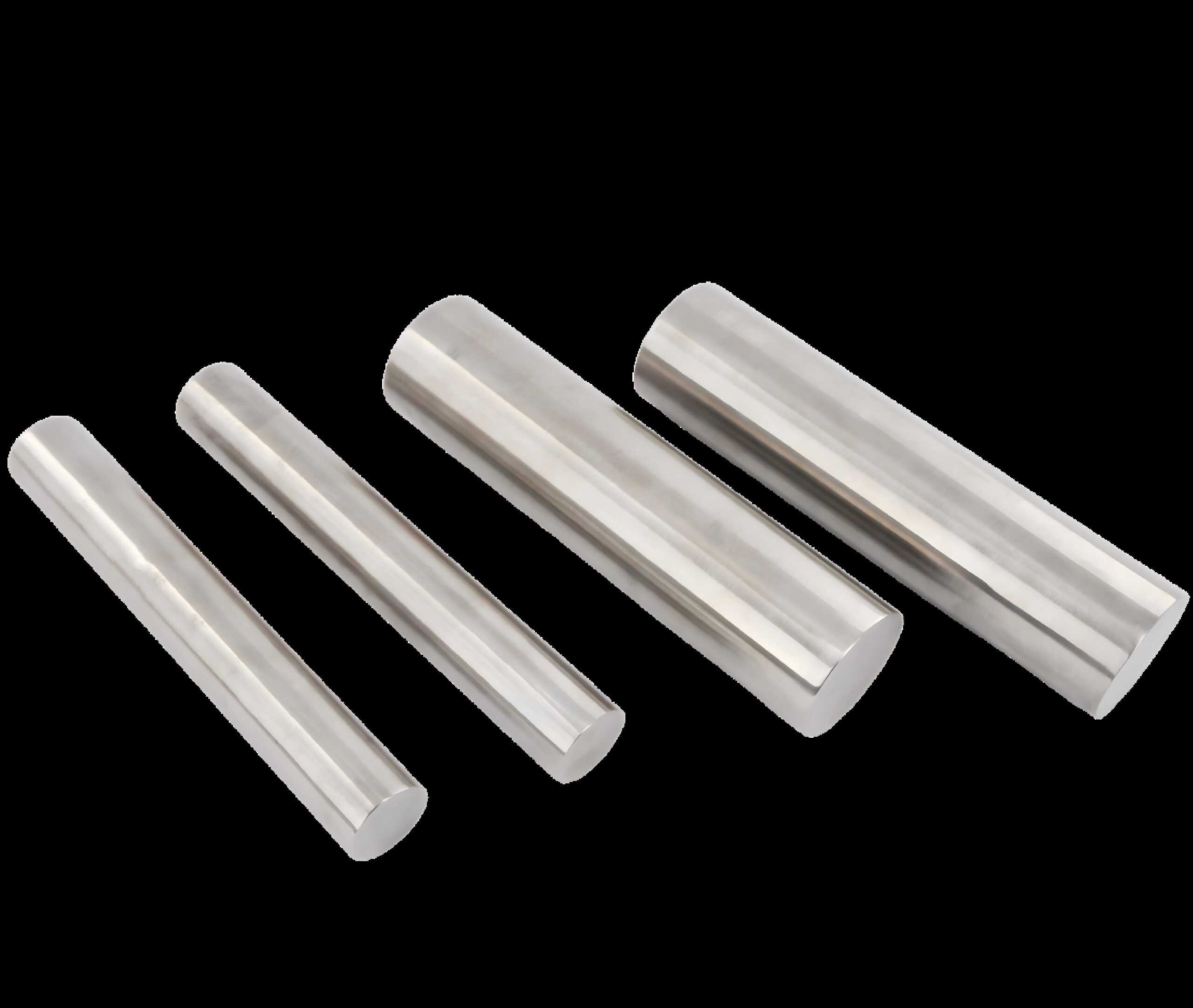
Sunning Steel supplies certified 316L, 2205 Duplex, and 2507 Super Duplex stainless steel bars, pipes, and custom forgings tailored for offshore and subsea applications. Contact our engineering specialists today for complete technical datasheets and mill test certificates (MTC).